

Arborist Services in Pasadena, TX
Tree Risk Assessment and Structural Stability Planning in Pasadena, Texas
Pasadena, TX includes established residential neighborhoods, industrial corridors along the Houston Ship Channel, and communities positioned between Clear Lake and the greater Houston metropolitan area. Tree management in Pasadena often involves evaluating structural reliability in canopies shaped by urban development patterns, clay-based coastal plain soils, and environmental exposure typical of the upper Galveston Bay region.
Neighborhoods such as Parkview South, Vista Villas, and residential areas surrounding Strawberry Park contain mature shade trees positioned near homes, streets, and public recreation areas. Nearby waterways, including Buffalo Bayou tributaries and the broader Galveston Bay watershed, influence soil moisture patterns and environmental conditions affecting tree growth and long-term canopy stability.
Many trees across Pasadena were planted during earlier suburban development phases and now form mature canopy extending over homes, sidewalks, and driveways. As these trees continue to mature, periodic structural evaluation helps ensure branch attachment integrity and canopy balance remain appropriate relative to nearby structures and pedestrian areas.
We provide arborist-led services in Pasadena focused on documented structural assessment, preservation-first planning, and long-term tree health stability.
Local Tree and Property Conditions in Pasadena, TX
Pasadena’s landscape reflects a mix of long-established residential neighborhoods and urban infrastructure associated with the greater Houston industrial corridor. Mature shade trees planted decades ago remain an important component of many residential streetscapes and community parks.
Species commonly observed throughout the area include live oak, cedar elm, and other trees well adapted to Gulf Coast conditions. Trees growing in urban residential environments often develop wide canopy structures that may extend over homes, streets, and parking areas as they mature.
Soil conditions across Pasadena are influenced by clay-rich coastal plain soils typical of the upper Gulf Coast region. These soils can retain moisture after rainfall events while also experiencing drying cycles during extended warm periods.
As canopy matures within neighborhoods such as Parkview South and Vista Villas, trees located near homes, sidewalks, and roadways may require structural evaluation to ensure long-term compatibility with surrounding infrastructure.
Evaluation Philosophy in Pasadena
Professional arborist evaluation in Pasadena must consider canopy structure, root anchorage performance, soil conditions, and proximity to surrounding residential or public infrastructure.
Assessment frequently focuses on:
• Structural stability within mature urban canopy
• Root performance in clay-influenced coastal soils
• Early identification of structural defects or attachment weaknesses
• Canopy distribution relative to homes, streets, and pedestrian areas
Trees that appear visually healthy may still develop structural conditions that benefit from mitigation. Recommendations are based on documented observations and site-specific environmental conditions.
Priority Services in Pasadena, TX
Tree Risk Assessment:
Risk assessments in Pasadena commonly address canopies extending over homes, driveways, sidewalks, and neighborhood streets typical of established residential areas. Structural inspection evaluates attachment integrity, defect formation, and weight distribution across large limbs.
Where mitigation remains feasible, corrective pruning or structural reduction may be recommended based on documented findings.
Plant Health Care and Root-Zone Management:
Root-zone evaluation may be indicated when vitality decline appears associated with soil compaction, drainage variability, or disturbance from landscaping or construction activity.
Plant Health Care programs focus on supporting long-term root performance and overall tree vitality when site conditions warrant intervention.
Structural Pruning:
Apply structural pruning when documented imbalance, defect progression, or canopy interference with nearby structures is identified. Broad canopy thinning is not recommended as a routine preventive practice.
Recommendations prioritize maintaining structural stability while preserving canopy health.
Removal Planning and Tree Disposition Guidance:
Removal is recommended only when structural reliability cannot be reasonably mitigated or when defect progression creates unacceptable risk relative to nearby structures or access areas.
Planning includes evaluation of property access, surrounding infrastructure, and protection of adjacent landscape elements during removal operations.
Environmental Considerations in Pasadena
Pasadena’s location within the upper Galveston Bay region exposes trees to Gulf Coast weather systems, including seasonal storms and periods of heavy rainfall. Trees in open urban environments may experience wind loading as their canopies expand over time.
Clay-based soils common throughout the area may also experience moisture fluctuations during extended wet and dry cycles, which can influence root-zone stability and long-term tree health. Periodic arborist evaluation helps identify developing structural concerns early while preservation-first management options remain feasible.
Recent Work in Pasadena, TX
Case Study #790: Wood-Boring Insect Treatment - Fairmont Estates, Pasadena
Property Context:
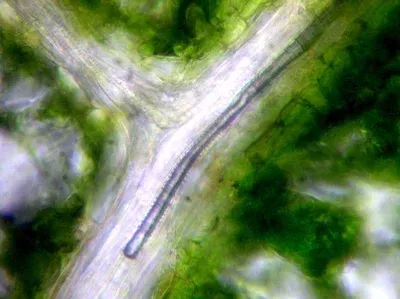
At a residence in the Fairmont Estates area of Pasadena, a tree on the property required targeted management due to suspected wood-boring insect pressure. The objective was to suppress borer activity and protect tree function before continued feeding and tunneling could contribute to further decline.
Evaluation Findings:
Assessment documented indicators consistent with wood-boring insect activity and associated canopy stress. Findings supported active borer pressure contributing to reduced vigor and elevated decline risk if left unmanaged, indicating the need for systemic suppression and thorough treatment coverage.
Intervention:
A wood-boring insect treatment was performed using systemic insecticides, specifically imidacloprid and permethrin. Treatment was applied to all above-ground and below-ground plant parts to suppress borers damaging the tree. MSO was added to improve uptake by opening stomata in the cell walls, allowing the treatment to integrate throughout the tree.
Outcome (Observable):
Following treatment, the baseline condition was documented for comparison and future performance tracking. The objective of this intervention was to suppress borer activity and improve canopy stability through systemic protection and enhanced uptake support.
Case Study #10359: Root Flare Excavation Service - Vista Villas, Pasadena
Property Context:
At a residence in the Vista Villas area of Pasadena, two peach trees in the backyard were identified as needing corrective base work due to compacted soil, mulch, and other aggregates accumulated beneath the canopy and around the trunks. The service was designated as mandatory to restore proper grade and root collar function.
Evaluation Findings:
Assessment documented buried root collars and obscured root flare conditions consistent with chronic stress at the base of both peach trees. Compacted material beneath the canopy suggested restricted oxygen exchange and abnormal moisture behavior in the root collar zone, increasing the likelihood of basal decline and girdling root development. Small girdling roots were also identified as contributing stressors requiring corrective action.
Intervention:
A mandatory mulch removal and root flare excavation service was specified for both backyard peach trees. All compacted soil, mulch, and other aggregates were removed from beneath the canopy and away from the trunk area. After completion, the soil level around each trunk was returned to closely match the native soil level, or graded level, to restore proper grade. We exposed the root flare and buttress roots and severed and removed all small girdling roots up to 1 inch, or preserved them for later removal, to reduce ongoing stress on the trees.
Outcome (Observable):
Following service completion, root flare and buttress roots were visible, and soil grade around each trunk matched native or graded conditions. Baseline condition was documented for comparison and future performance tracking, with the objective of reducing root collar stress and improving long term performance of both peach trees.
Case Study #7240: Termite Treatment - Parkview Estates, Pasadena
Property Context:
At a residence in the Parkview Estates area of Pasadena, a backyard water oak tree was identified as needing pest management due to termite and/or carpenter ant concerns at or near the base of the tree.
Evaluation Findings:
Assessment supported the presence or risk of wood-destroying insect activity associated with the backyard water oak. Findings indicated that prompt suppression was warranted to reduce the likelihood of continued insect activity contributing to progressive weakening and decline.
Intervention:
A termite and carpenter ant pest treatment was recommended using fipronil injected into the ground around the base of the backyard water oak. The intent of this recommendation is to suppress termite and carpenter ant activity in the soil zone adjacent to the tree and reduce conditions supporting continued infestation.
Outcome (Observable):
This case study documents a treatment recommendation. Observable outcomes are expected to be documented after treatment implementation, with the objective of confirming reduced insect activity and improved stability of the tree’s condition over time.
Communities We Serve in Pasadena
Eric Putnam BCMA Inc. provides arborist-led tree care, Plant Health Care, and professional tree evaluations throughout Pasadena. Our Pasadena service area includes properties in communities such as:
- Baywood Oaks
- Deepwater
- Fairmount Estates
- Golden Acres
- Parkgate
- Pasadena Gardens
- Pasadena Oaks
- Red Bluff Terrace
- Strawberry Hills
- Village Grove
* If your neighborhood is not listed, contact our office to confirm service availability for your property *
Nearby Cities We Serve
Eric Putnam BCMA Inc. also provides professional tree care and arborist services in communities near Pasadena. Select a city below to learn more about our services in that area.

Request an Arborist Evaluation in Pasadena, TX
If you have questions regarding canopy stability, structural defects, or long-term tree health in Pasadena, request an evaluation with a certified arborist. Recommendations are based on documented findings and site-specific conditions.
Book an Appointment
Get a quote
Contact Us
Liriope’s Muse - Expert Tree Care Tips

Liriope’s Muse - Expert Tree Care Tips