


Liriope’s Muse: Tree Care Tips from a Master Arborist
TRUSTED TREE CARE SERVICES SINCE 1970
Liriope's Muse - Its Embolism Season: What You Need to Know from Our Team of Certified Arborists
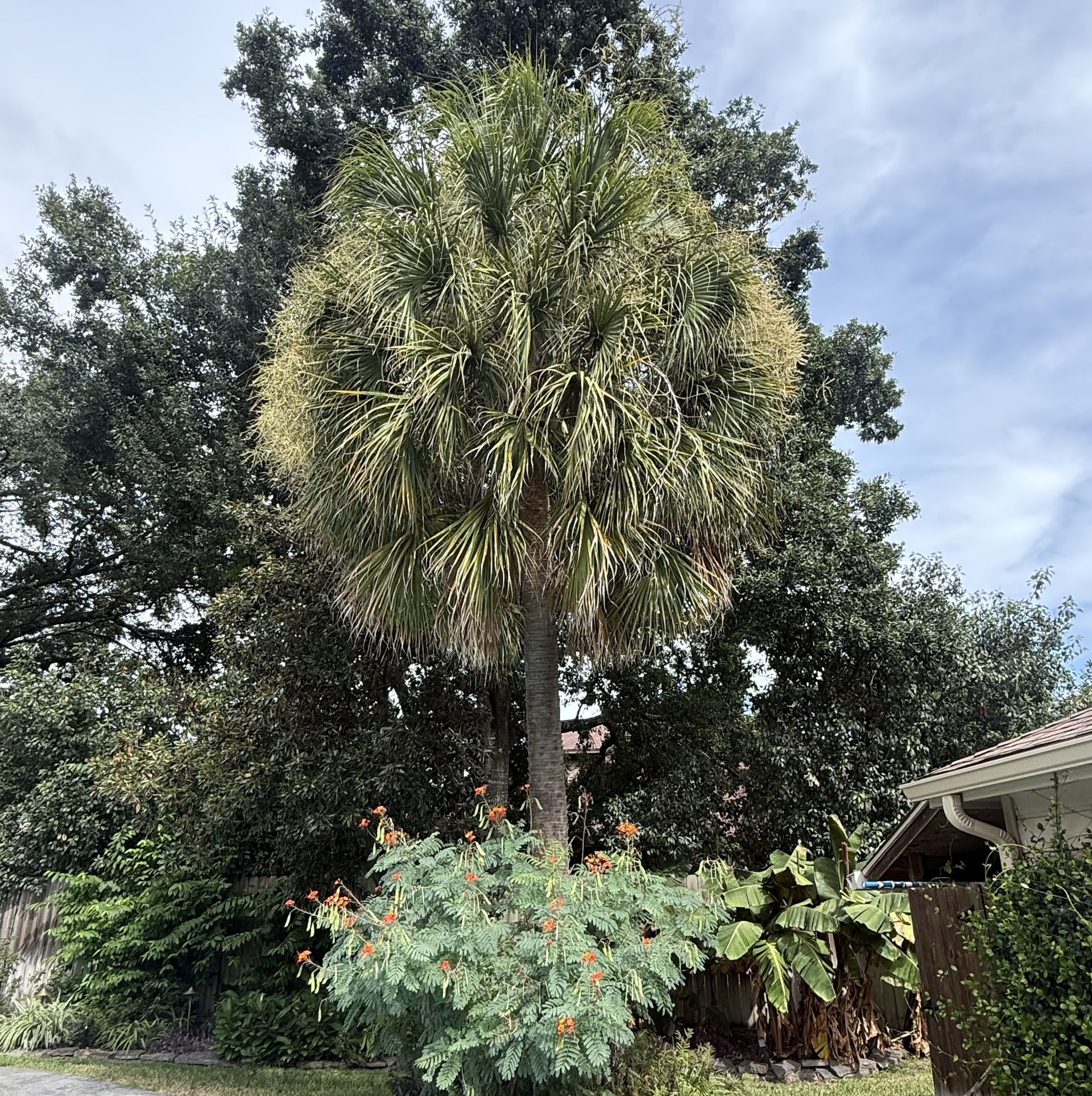
Each year, from late July to early September, in the peak of Houston’s dry summer heat, an issue we see regularly plaguing trees is the arbor embolism. We most often see embolism in newly planted trees, trees that experience prolonged periods of drought and heat, and in trees that are already stressed by another factor; such as herbicide damage or pest infestation.
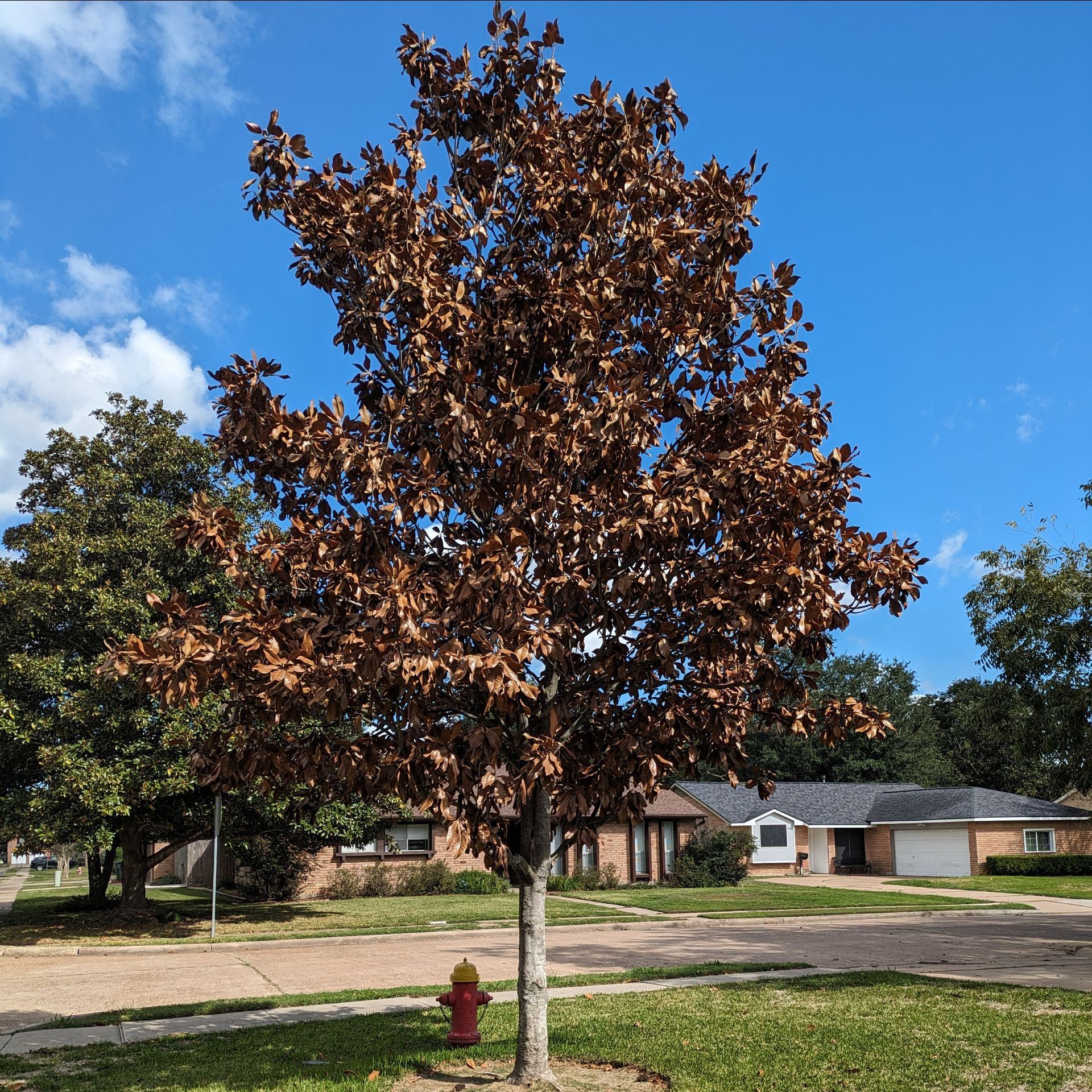
*The photo above was captured by our Board Certified Master Arborist, Eric Putnam TX-0198B, it shows a magnolia in Houston, Tx that succumbed to embolism in the summer of 2023.*
Similarly to humans, trees are comprised of a complex vascular system. In trees, this vascular system is comprised of the xylem and the phloem and is responsible for the transport and storage of the tree's essential minerals, nutrients, food(glucoses), and water throughout the whole tree. However, the tissues we will be primarily focused on are the xylem.
The xylem is the vascular tissue responsible for the vertical transport of water and minerals from the roots to the leaves of the tree. It is in this tissue that embolisms occur. A xylem embolism forms when an air bubble is drawn into the xylem l, breaks the continuous column of water, and reduces or completely blocks water movement through that conduit.

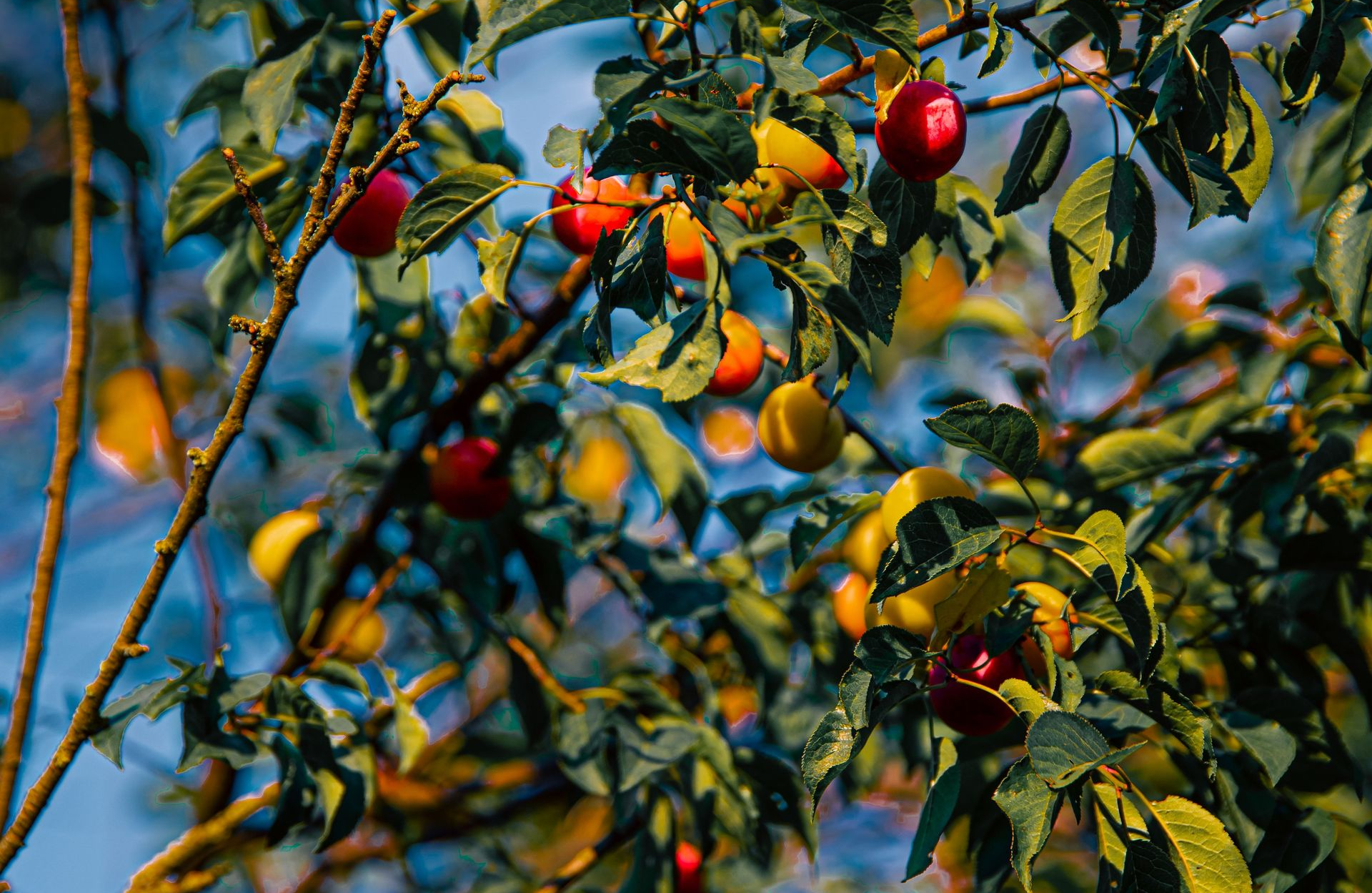
*The photo above from NPR by Herve Cochard shows an air embolism in a narrow water-transporting cell in a leaf of a walnut tree,
captured using light microscopy.*
There are two main ways that xylem embolism can occur. The first is drought-induced embolism, which is especially common in newly planted trees. As soil water availability decreases and the sucking tension of the roots becomes great, they eventually suck in air. The second occurs when excessive transpiration creates more water demand than the tree’s roots and vascular system can supply. Transpiration is the normal process through which water vapor is released from the leaves, primarily through small pores called stomata. Guard cells regulate these openings, allowing the tree to take in carbon dioxide for photosynthesis while limiting unnecessary water loss. During periods of extreme heat, low humidity, strong winds, or drought, however, water may leave the canopy faster than the roots can replace it. This increases tension within the xylem and makes the conduits more susceptible to cavitation and embolism. This sort of embolism, which we regularly observe, causes what seems like sudden death in magnolias and other established trees.
Xylem conduits can also be compared to a straw; times of drought can be compared to getting to the bottom of your iced beverage. You suck to get the last bit of liquid hiding within the ice cubes and, in the process, are greeted by many air bubbles and that iconic slurping sound. As a human, this does not affect you as you have a means of expelling gas (i.e., burping), but trees do not have this same ability. Once a tree’s water-conducting tissue is blocked with a significant amount of air, the damage becomes irreversible. The xylem conduits become rendered useless, and the tree's canopy is cut off from the essential water and nutrients that it needs to survive.
Not all cases of embolism are a death sentence for a tree. The outcome depends on several factors, including the tree’s species, age, level of establishment, overall health before the embolism occurred, and the extent of the damage within its water-conducting tissue. A complete, tree-wide loss of water transport is extremely rare. In most cases, embolisms affect only portions of the vascular system. Some tree species are more susceptible than others, while certain species can recover by restoring water movement or producing new functional xylem as they grow. Others have a more limited ability to compensate and may decline more readily, particularly if they are already stressed by drought, root damage, disease, or poor growing conditions.
How can I identify embolism?
Xylem embolism cannot be confirmed by appearance alone, but several warning signs may indicate that a tree’s water-conducting system is failing. Look for sudden wilting, curling or scorched leaves, premature leaf drop, thinning foliage, and rapid branch dieback, especially during hot or dry weather. Because these symptoms can also result from root damage, disease, insects, or other environmental stresses, an ISA Certified Arborist should evaluate the tree to determine the underlying cause.
How can I prevent embolism in my trees?
From our team’s experience at Eric Putnam BCMA Inc., preventing embolism begins with keeping soil moisture as consistent as possible, especially during periods of extreme heat or drought. Trees should be watered deeply and slowly, preferably in the early morning or evening hours while the sun is down, as cooler temperatures reduce evaporation and allow for a longer absorption window. Newly planted trees are especially vulnerable and require regular watering because their limited root systems cannot yet draw water from large areas as mature trees do. However, that’s not to say that mature, established trees should be overlooked; it is a good idea to also provide supplemental irrigation to them during prolonged periods of drought and heat. Proper mulching, avoiding root damage and soil compaction, and regular close monitoring for early signs of water stress can further reduce the risk of your trees developing an embolism.
If you are busy, it may not be a bad idea to consider installing an irrigation system around your younger trees. Not only does it promote root development, but it also ensures they are constantly getting the proper amounts of water because, in our experience, even skipping a single day of watering in Houston’s harsh summer climate can lead to an embolism.
Xylem embolism can develop quickly during Houston’s intense summer heat, but careful watering, healthy soil, and early attention to signs of stress can greatly reduce the risk. If your tree begins to wilt, lose leaves, flag, or decline suddenly despite receiving adequate water, do not assume that additional watering alone will solve the problem. These symptoms can have several possible causes, and an incorrect response may worsen the tree’s condition.
Our team of ISA Certified Arborists at Eric Putnam BCMA Inc. are here to help you and your tree, give us a call and we can evaluate your tree and identify the next best steps in its preservation!
Resources:
Xylem Structure and The Ascent of Sap (Most notibly chapter 3 - The Cohesion Theory of Sap Ascent)
(https://link.springer.com/chapter/10.1007/978-3-662-22627-8_4)
In situ, direct observation of seasonal embolism dynamics in Aleppo pine trees growing on the dry edge of their distribution
(https://nph.onlinelibrary.wiley.com/doi/10.1111/nph.18208)
Relationships between xylem embolism and tree functioning during drought, recovery, and recurring drought in Aleppo pine
(https://onlinelibrary.wiley.com/doi/10.1111/ppl.13995#ppl13995-bib-0040)
https://www.npr.org/2012/11/23/165667600/an-arbor-embolism-why-trees-die-in-drought
Liriope’s Muse - Expert Tree Care Tips