


Liriope’s Muse: Tree Care Tips from a Master Arborist
TRUSTED TREE CARE SERVICES SINCE 1970
Liriope's Muse - Understanding Lethal Bronzing: What You Need To Know To Protect Your Palms
Palm trees are a signature of Southern landscapes—graceful, towering, and resilient. But in recent years, more and more of these iconic trees have started to fail, seemingly overnight. One of the biggest culprits? A fast-spreading disease known as lethal bronzing.
As a Board-Certified Master Arborist, I’ve been seeing a growing number of cases, and it’s clear that early awareness is key to protecting our palms. Here’s what every homeowner and landscaper should know.
What Is Lethal Bronzing?
Lethal bronzing, formerly known as Texas Phoenix Palm Decline (TPPD), is a fatal disease affecting various palm species. Caused by a phytoplasma—a type of bacteria lacking a cell wall—this disease disrupts the palm's nutrient transport system, leading to decline and death.
Symptoms to Watch For:
- Premature fruit drop: Affected palms often shed their fruit earlier than normal.
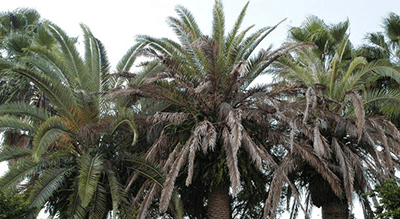
- Bronzing of fronds: Leaves turn a reddish-brown or bronze color, starting from the lower canopy and moving upward.
- Spear leaf collapse: The newest emerging leaf, known as the spear leaf, browns and collapses—a definitive sign of lethal bronzing.
Once the spear leaf dies, the palm cannot recover. Early detection is vital for management and prevention of spread to nearby palms.
Meet the Culprit: The American Palm Cixiid
The primary vector responsible for spreading lethal bronzing is the American palm cixiid (Haplaxius crudus), a small planthopper insect. While harmless on its own, this insect becomes dangerous when it carries the lethal bronzing phytoplasma.
Life Cycle and Habitat:
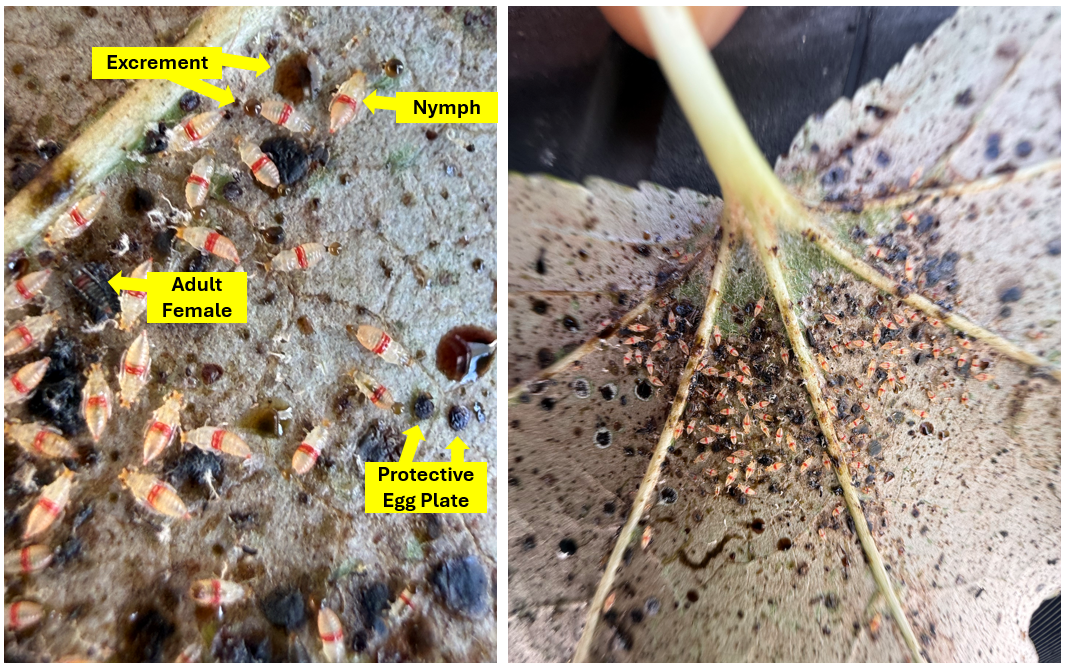
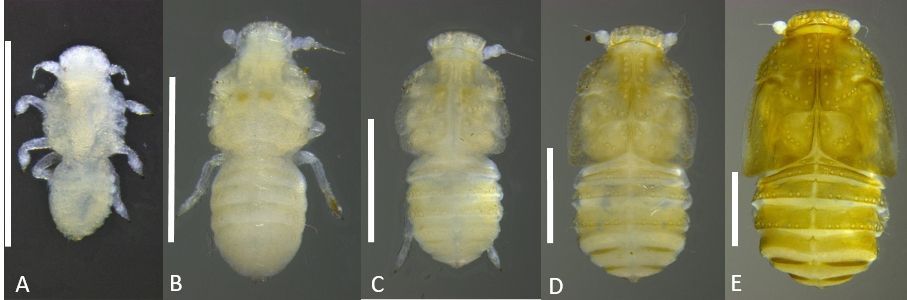
- Nymph Stage: Cixiid nymphs develop in the thatch layer of grasses, feeding on over 40 grass species. In urban landscapes, they show a preference for St. Augustinegrass (Stenotaphrum secundatum).
- Adult Stage: After maturing, adults migrate to palm canopies, feeding exclusively on palm sap. Mating occurs in the palm canopy, and females return to grasses to lay eggs, completing the cycle. The presence of certain grass types, particularly St. Augustinegrass, can support higher populations of cixiid nymphs, increasing the risk of lethal bronzing spread.
Managing and Preventing Lethal Bronzing
While there is no cure for lethal bronzing, a proactive management strategy can greatly reduce the risk to your palms and help contain the spread of the disease.
1. Monitor Regularly
Inspect your palms frequently—especially in spring—for early signs of decline and insect activity. Focus on the spear leaf and upper canopy, and watch for premature fruit drop, frond bronzing, and wilting. Early detection gives you the best chance to protect surrounding trees.
2. Act Quickly
If a palm shows clear symptoms—particularly spear leaf collapse—remove and properly dispose of it immediately. A delayed response allows the phytoplasma more time to spread to nearby healthy trees.
3. Control Insect Vectors
When adult cixiids are observed mating in the palm canopy—typically in spring—it's important to act quickly. After mating, females descend to lay their eggs in the turf, which hatch in approximately 10–20 days.
- Dimethoate can be applied as a systemic insecticide to palms to help control adult cixiids feeding in the canopy.
- Diazinon can be applied to turfgrass (particularly St. Augustinegrass) to target cixiid eggs and nymphs in the thatch layer.
4. Manage Grass Proactively
Since nymphs prefer the thatch of certain grasses like St. Augustinegrass, maintaining a well-trimmed, dethatched lawn and possibly replacing susceptible grass types with less favorable species can reduce breeding habitat for cixiids.
Lethal bronzing is a serious threat, but with the right information and timely action, it doesn’t have to devastate your landscape. Stay observant, manage your turf, and don’t ignore the early signs.
If you're seeing unusual symptoms or suspect cixiid activity in your palms, reach out to a certified arborist right away. It’s always better to catch this disease early—before it spreads.
Liriope’s Muse - Expert Tree Care Tips