

Woolly Aphid Management for Houston Trees and Shrubs
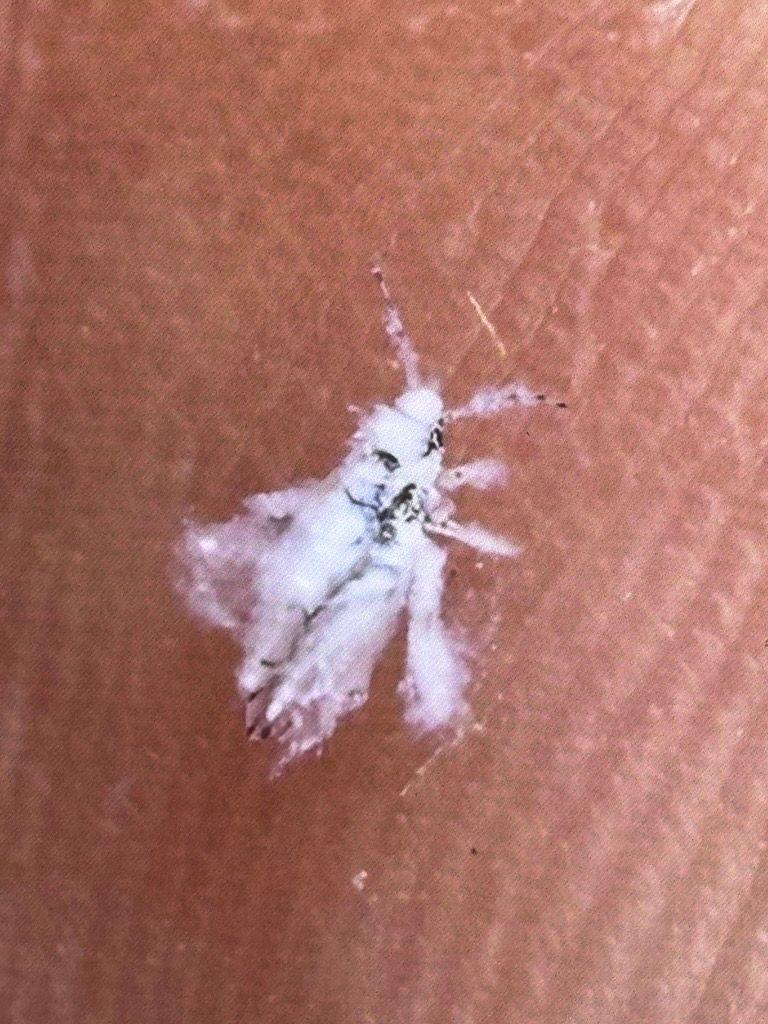
Woolly aphids are sap-feeding insects that produce white or gray wax around their bodies. Their colonies may resemble cotton, fuzzy growth, or patches of mold on leaves, shoots, branches, and bark. The insects themselves can be difficult to see beneath the wax.
The effects of an infestation depend on the woolly aphid species and host plant. Some primarily create a honeydew and appearance problem, while others can cause distorted foliage, swollen tissues, or injury to susceptible plants. Certain species also feed on roots.
Eric Putnam BCMA Inc. bases recommendations on the insect identification, host species, feeding location, infestation level, plant condition, and surrounding growing conditions. We evaluate whether monitoring or treatment can provide a practical benefit and whether another insect or unrelated plant problem is responsible for the visible material.
Understanding Woolly Aphid Treatment
When Woolly Aphid Treatment May Be Appropriate
Woolly aphid treatment or evaluation may be appropriate when:
- White or gray, cottony insect colonies are collecting on leaves, shoots, or branches
- Waxy colonies are present around bark crevices, old wounds, or other protected areas
- Sticky honeydew is accumulating on plants or surfaces beneath the canopy
- Black sooty mold is developing alongside confirmed woolly aphid activity
- Leaves or shoots are becoming distorted near active colonies
- Swollen or gall-like tissues are present on a susceptible host
- Fresh colonies are appearing following previous management
- Honeydew accumulation is interfering with the use of patios, parking areas, or other outdoor spaces
- You need to distinguish woolly aphids from mealybugs, scale insects, or other organisms
Woolly Aphid Services We Provide
The service scope depends on the woolly aphids present, host plants, feeding locations, infestation level, and surrounding property. The work may include:
- Identifying woolly aphids and distinguishing them from similar insects and deposits
- Inspecting accessible foliage, shoots, branches, bark crevices, and affected tissues
- Evaluating the distribution of living insects and fresh colonies
- Assessing honeydew, sooty mold, leaf distortion, and new growth
- Considering whether the identified pest warrants further assessment of protected feeding areas or the root zone
- Evaluating beneficial insect activity and the condition of the host plant
- Defining which trees, shrubs, and treatment areas are included in the service
- Providing expectations for treatment response, continued monitoring, and possible recurrence
How We Approach Woolly Aphid Treatment
Inspect the Plants and Cottony Deposits
We inspect the host species, affected foliage, shoots, branches, bark, wax deposits, honeydew, and sooty mold. We examine the insects beneath the cottony material and consider whether the visible evidence represents an active infestation or material remaining from previous activity.
Identify the Pest and Feeding Location
Woolly aphids can resemble mealybugs, cottony scale insects, whiteflies, and some beneficial insect larvae. The host plant, insect characteristics, colony location, and associated symptoms help establish the likely pest.
Determine Whether Treatment Is Justified
Not every woolly aphid infestation requires insecticide treatment. We consider plant condition, beneficial insect activity, the amount of honeydew, property use, and the potential for additional injury.
Apply the Treatment and Monitor Activity
The written estimate identifies the plants, treatment area, application scope, property protections, and relevant limitations. Treatment is applied according to the approved scope, identified pest, feeding location, host species, weather, and site conditions.
Do You Already Know What Plant Health Care You Need?
Request a free estimate if you want woolly aphid treatment for one or more identified trees or shrubs. If you need to determine what is causing white cottony deposits, sticky residue, black sooty mold, distorted foliage, or swollen tissues, or whether treatment is necessary, schedule a paid arborist consultation.
White Wax and Sooty Mold May Remain After Treatment
Successful treatment does not necessarily remove the visible material associated with an infestation. White wax, cottony deposits, dead insects, sticky residue, and black sooty mold may remain after the living woolly aphid population has been reduced.
Honeydew production should decrease as active feeding declines. Existing honeydew and sooty mold may remain visible until rain, weathering, normal leaf replacement, or cleaning gradually removes them. Old cottony material alone does not establish that the infestation is still active.
Treatment cannot immediately reverse curled leaves, established galls, or tissue injury. Recovery depends on the pest involved, extent of damage, plant condition, and ability to produce healthy growth.
Wax coverings and protected feeding locations can make some infestations difficult to manage. Woolly aphids may also develop through multiple generations or return from surrounding host plants. Continued monitoring or additional treatment may be appropriate when fresh colonies or renewed feeding are observed.
Why Homeowners Choose Eric Putnam BCMA Inc. for Woolly Aphid Treatments
Accurate Identification
We distinguish woolly aphids from mealybugs, scale insects, whiteflies, beneficial insects, and other possible causes of cottony deposits. Treatment recommendations begin with identifying the organism responsible.
Host and Feeding Location Evaluation
Different woolly aphids affect different plants and tissues. We consider whether the infestation involves foliage, shoots, bark, wounds, or other feeding areas, and whether the observed activity presents a plant health concern or primarily a nuisance.
Clear Treatment Expectations
We explain what treatment is intended to accomplish, which plants and areas are included, what existing material or damage may remain, and how continued monitoring helps evaluate the response.
What Our Customers Say
When it comes to the care of your trees and yard, we understand how important it is to find a tree expert you can trust. Thanks to our personalized and professional approach with our arborist visits and tree consultations, our customers rest easy knowing their tree’s health will always be our top priority. See what some of our clients had to say:
Learn About Our Pest Treatment Approach
Service Warranty and Disclaimer
View Our Warranty and Disclaimer
Common Questions About Woolly Aphids
Is the white, cottony material on my tree woolly aphids?
It may be, but woolly aphids can resemble mealybugs, cottony scale insects, whiteflies, and some beneficial insect larvae. The insects beneath the material, host plant, and feeding location should be examined before treatment is recommended.
How are woolly aphids different from other aphids?
Woolly aphids are aphids that produce conspicuous wax around their bodies. Their colonies can hide the insects and make identification and treatment coverage more difficult. Different species also occupy different feeding locations, including foliage, woody tissues, or roots on particular hosts.
Will woolly aphids kill my tree?
Many woolly aphids primarily create a nuisance and do not threaten the survival of an otherwise healthy tree. Hackberry woolly aphids are an example. Other species can cause more significant injury on susceptible hosts, particularly when roots are affected. The pest and host plant must be identified before assessing the concern.
Why can woolly aphids be difficult to treat?
Their waxy covering can reduce exposure to contact treatments. Some also feed within curled leaves, bark crevices, galled tissues, or belowground on roots. Treatment planning must account for the identified pest and its feeding location rather than relying only on visible white deposits.