


Arborist Services in Manvel, TX
Tree Risk Assessment and Structural Stability Planning in Manvel, Texas
Manvel, TX includes rapidly expanding residential communities, agricultural land transitions, and established neighborhoods across northern Brazoria County. Tree management in Manvel frequently involves evaluating structural reliability within canopy influenced by ongoing development, clay-based soils, and the transition from rural acreage to master-planned residential communities.
Neighborhoods such as Pomona, Rodeo Palms, and developing residential corridors along Highway 288 contain a mix of newly planted landscape trees and mature native canopy that remained during earlier phases of land development. Nearby natural features associated with the Chocolate Bayou watershed influence local soil conditions and environmental patterns that affect tree establishment and long-term canopy stability.
Many properties in Manvel include trees planted during residential development phases where canopy is still maturing. As these trees grow near homes, driveways, sidewalks, and neighborhood infrastructure, periodic structural evaluation helps ensure branch distribution and attachment integrity remain appropriate as canopy expands. We provide arborist-led services in Manvel focused on documented structural assessment, preservation-first planning, and long-term tree health stability.
Local Tree and Property Conditions in Manvel, TX
Manvel’s landscape reflects its historical use as agricultural land combined with the rapid expansion of residential communities along the Highway 288 corridor. Many newer neighborhoods include planned landscape canopy that was installed during development rather than originating from natural forest conditions.
Species commonly planted in residential developments include live oak, cedar elm, and ornamental shade trees selected for performance within Gulf Coast environments. As these trees mature in open residential settings, canopy spread can increase significantly compared with trees growing in forest conditions.
Soil conditions across Manvel are largely influenced by clay-rich coastal plain soils common throughout Brazoria County. These soils can retain moisture following rainfall events and may be sensitive to compaction during construction activity or landscaping projects.
As neighborhoods such as Pomona and Rodeo Palms continue to mature, canopy expansion toward homes, fences, and pedestrian pathways may require periodic evaluation to maintain long-term structural stability.
Evaluation Philosophy in Manvel
Professional arborist evaluation in Manvel must consider canopy development patterns, root anchorage conditions, soil characteristics, and proximity to surrounding residential infrastructure.
Assessment frequently focuses on:
• Structural stability in developing residential canopy
• Root performance within clay-influenced soils
• Early identification of structural defect progression
• Canopy distribution relative to homes, sidewalks, and roadways
Trees that appear visually healthy may still develop structural concerns as they mature. Recommendations are based on documented findings and observed site conditions rather than canopy appearance alone.
Priority Services in Manvel, TX
Tree Risk Assessment:
Risk assessment in Manvel commonly addresses canopy extending over homes, driveways, sidewalks, and neighborhood streets typical of master-planned communities. Structural inspection evaluates attachment strength, defect formation, and weight distribution across major limbs.
Where mitigation remains feasible, corrective pruning or structural reduction may be recommended based on documented findings.
Plant Health Care and Root-Zone Management:
Root-zone evaluation may be indicated when vitality decline appears associated with soil compaction, drainage variability, or construction disturbance during development.
Plant Health Care programs focus on improving long-term root performance and overall tree resilience when site conditions warrant intervention.
Tree Risk Assessment:
Structural pruning is applied when documented imbalance, defect formation, or canopy interference with nearby structures is identified. Broad canopy thinning is not recommended as a routine preventive practice.
Recommendations prioritize maintaining structural stability while preserving canopy health.
Plant Health Care and Root-Zone Management:
Removal is recommended only when structural reliability cannot be reasonably mitigated or when defect progression creates unacceptable risk relative to nearby structures or access routes.
Planning includes evaluation of property access, surrounding infrastructure, and protection of adjacent landscape elements during removal operations.
Environmental Considerations in Manvel
Manvel’s position within the coastal prairie region of Brazoria County introduces environmental conditions that influence long-term tree development. Clay-rich soils common to the area can experience seasonal moisture variability, particularly following heavy rainfall events.
As residential expansion continues along the Highway 288 corridor, trees planted during early phases of development will mature within increasingly complex residential environments. Periodic structural evaluation helps identify developing concerns while preservation-focused management remains feasible.
Recent Work in Manvel, TX
Case Study #8713: Whitefly Treatment - Silvercreek, Manvel
Property Context:
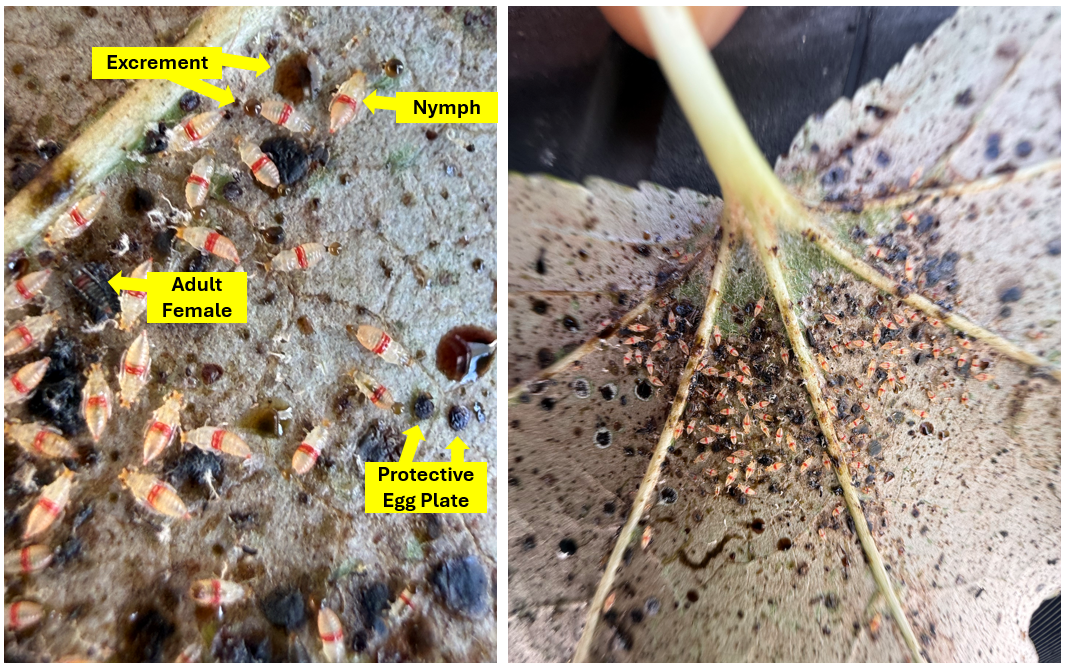
At a residence in the Silvercreek area of Manvel, three crepe myrtles were showing decline indicators and aesthetic damage consistent with sap-feeding insect pressure.
Evaluation Findings:
Assessment documented indicators consistent with whitefly activity affecting all three crepe myrtles. Observations supported active feeding pressure contributing to reduced vigor and canopy stress, with associated residue consistent with honeydew production.
Intervention:
A targeted whitefly treatment was performed to suppress the infestation and reduce ongoing stress to the crepe myrtles. Management focused on confirmed pest control and condition-based support to improve recovery potential.
Outcome (Observable):
Following treatment, whitefly pressure was brought under control and canopy condition stabilized. Subsequent monitoring documented improved foliage condition and renewed growth response consistent with successful pest suppression and recovery support.
Case Study #3916: Biostimulant Support - C Prescott, Manvel
Property Context:
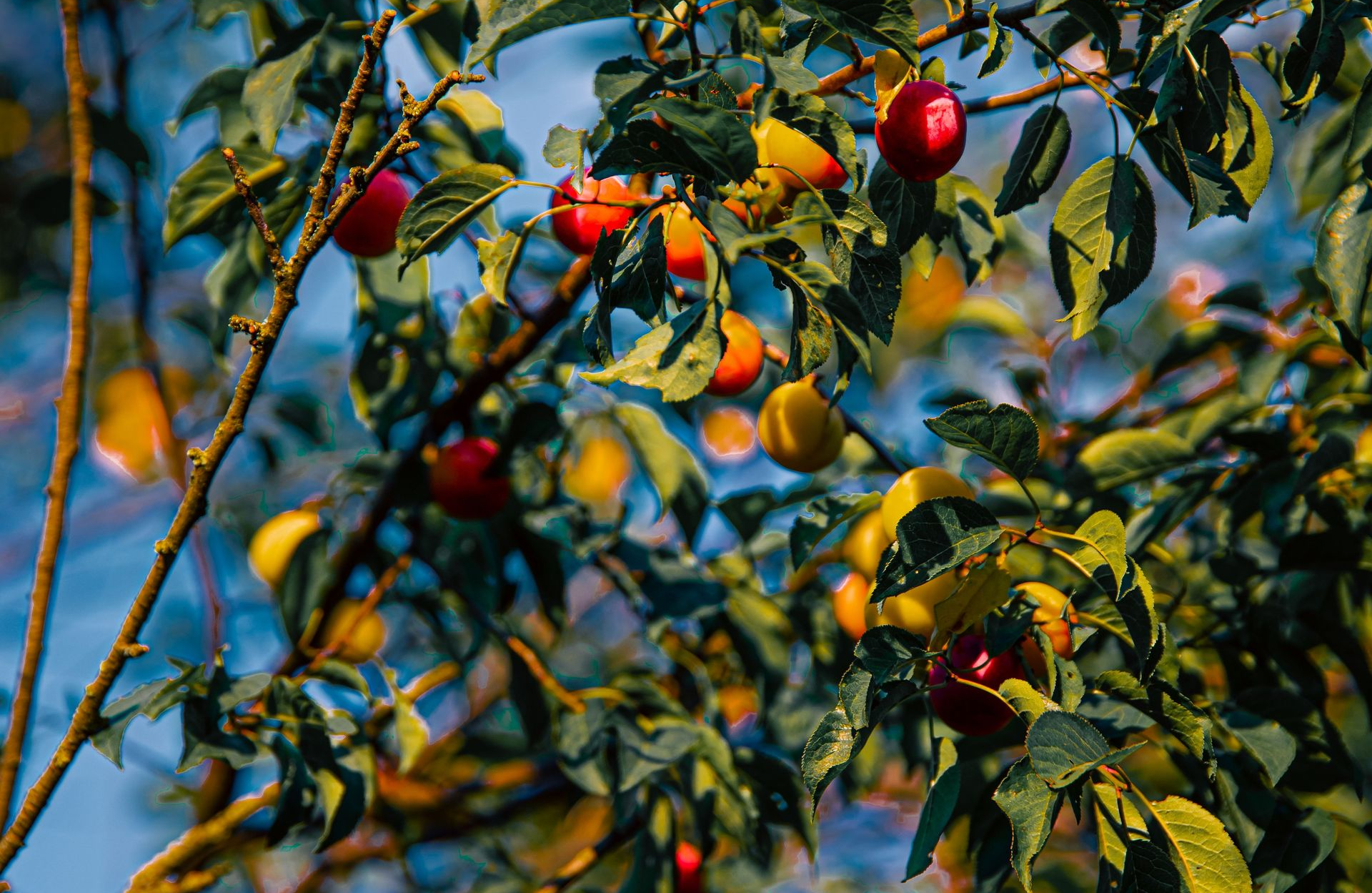
At a property in C Prescott, fig trees in the back yard were identified as needing supportive care to improve vitality and maintain stable growth. The group included one fig tree located by the pool and four additional fig trees located behind the pond.
Evaluation Findings:
Assessment documented reduced vigor indicators consistent with stress impacting overall function across the fig planting areas. Growth patterns and canopy performance supported the need for proactive support focused on root-zone function and physiological resilience.
Intervention:
A biostimulant treatment was performed for the fig tree by the pool and the four fig trees behind the pond to support root-zone biology and improve functional capacity. The treatment approach was intended to strengthen overall vitality, support more stable canopy performance, and improve the trees’ ability to respond to seasonal stressors.
Outcome (Observable):
Following treatment, the fig trees showed improved vigor and a positive growth response. Subsequent monitoring documented improved canopy performance and renewed growth consistent with successful biostimulant support.
Case Study #762: Girdling Root Surgery - Stonebridge at Silverlake, Manvel
Property Context:
At a residence in the Stonebridge at Silverlake area, two live oaks and one Bradford pear in the front yard were identified as needing corrective root work. The trees were showing base conditions consistent with restricted trunk flare and suspected root collar stress.
Evaluation Findings:
Assessment documented indicators consistent with girdling roots and impaired root flare function. The base conditions suggested constricting roots were limiting normal trunk expansion and root collar performance, increasing the likelihood of reduced vigor and long term decline if left uncorrected.
Intervention:
Girdling root surgery was performed for the two front yard live oaks and the front yard Bradford pear. Work focused on exposing the root flare, identifying constricting roots at the root collar, and performing corrective cuts as appropriate to relieve constriction and restore more normal root collar conditions. The root zones were then managed to support recovery and reduce the likelihood of recurring stress at the base.
Outcome (Observable):
Following surgery, trunk flares were visible and root collar conditions were improved. Subsequent monitoring documented improved base conditions and improved performance trends consistent with reduced girdling root stress and improved root-zone function.
Communities We Serve in Manvel
Eric Putnam BCMA Inc. provides arborist-led tree care, Plant Health Care, and professional tree evaluations throughout Manvel. Our Manvel service area includes properties in communities such as:
- Bluewater Lakes
- Del Bello Lakes
- Pomona
- Rodeo Palms
- Sedona Lakes
- Silvercreek
- Southfork
- Stewart Heights
- Valencia
- Wolfe Airpark
* If your neighborhood is not listed, contact our office to confirm service availability for your property *
Nearby Cities We Serve
Eric Putnam BCMA Inc. also provides professional tree care and arborist services in communities near Manvel. Select a city below to learn more about our services in that area.

Request an Arborist Evaluation in Manvel, TX
If you have questions regarding canopy stability, structural defects, or long-term tree health in Manvel, request an evaluation with a certified arborist. Recommendations are based on documented findings and site-specific conditions.
Book an Appointment
Get a quote
Contact Us
Liriope’s Muse - Expert Tree Care Tips