
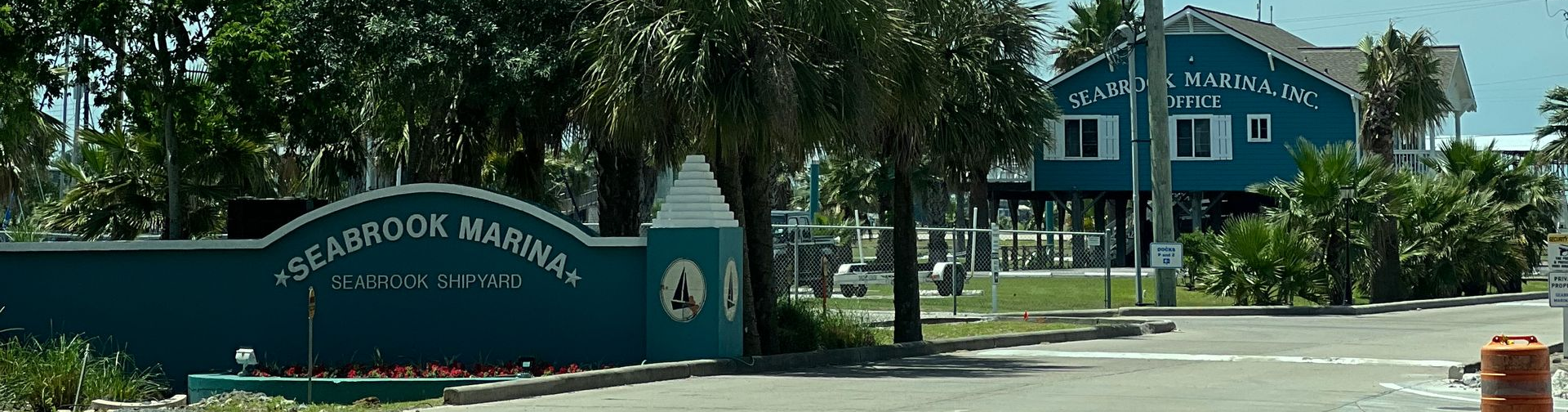
Arborist Services in Seabrook, TX
Coastal Tree Risk Assessment and Structural Stability Planning in Seabrook, Texas
Seabrook, TX is a coastal community situated along Clear Lake and Galveston Bay. Tree management in Seabrook frequently involves evaluating structural reliability under sustained wind exposure and seasonal storm activity common to Gulf Coast environments.
We provide arborist-led services in Seabrook focused on documented structural assessment, preservation-first planning, and long-term canopy stability in coastal conditions.
Local Tree and Property Conditions in Seabrook, TX
Seabrook’s proximity to Clear Lake and Galveston Bay introduces environmental variables distinct from inland communities. Trees in bay-adjacent neighborhoods may experience directional wind loading and salt-laden air exposure over time.
Flat coastal terrain contributes to drainage variability, particularly following heavy rainfall. Soil moisture shifts may influence root-zone oxygen availability during extended saturation periods.
Residential properties frequently include canopy extending over rooflines, docks, driveways, and pedestrian pathways. Waterfront exposure increases the importance of canopy balance and attachment integrity.
Evaluation Philosophy in Seabrook
Professional arborist evaluation in Seabrook must account for wind exposure, salt influence, root-zone stability, and target proximity.
Assessment frequently focuses on:
• Structural attachment integrity under wind loading
• Canopy balance relative to prevailing exposure
• Root stability in moisture-variable coastal soils
• Early identification of defect progression
Visible canopy density does not necessarily indicate structural resilience. Recommendations are based on documented findings and site-specific environmental conditions.
Priority Services in Seabrook, TX
Tree Risk Assessment:
Risk assessment in Seabrook often addresses canopy extending over homes, docks, and pedestrian areas exposed to coastal wind patterns. Structural inspection evaluates attachment strength, defect development, and weight distribution relative to exposure direction. When mitigation is feasible, branch-tip reduction or defect correction may be recommended based on documented structural findings.
Plant Health Care and Root-Zone Management:
Coastal soil conditions and moisture variability may influence long-term vitality. Root-zone evaluation may be indicated where decline symptoms appear linked to environmental stress.
Plant Health Care in Seabrook focuses on supporting functional resilience within the root system when conditions warrant intervention
Structural Pruning:
Structural pruning is objective-based and applied when documented imbalance or defects are identified. Broad canopy thinning is not promoted as a routine storm-prevention measure.
Recommendations prioritize maintaining structural integrity under coastal exposure.
Removal Planning and Tree Disposition Guidance:
Removal is considered only when structural reliability cannot be reasonably mitigated. Planning includes evaluation of waterfront access constraints, property protection, and surrounding infrastructure. When regulatory or permitting considerations apply, we assist property owners in identifying documentation requirements before proceeding.
Environmental Considerations in Seabrook
Seabrook’s coastal setting requires evaluation that accounts for evolving structural development under repeated wind exposure and seasonal storm systems.
Preservation-first management remains the priority when mitigation remains feasible.
Recent Work in Seabrook, TX
Case Study #171: Acute Herbicide Injury Management - Seascape, Seabrook
Property Context:
At a residence in the Seascape area of Seabrook, a Japanese blueberry tree located in the side yard developed sudden decline symptoms consistent with a chemical exposure event. The pattern and timing of symptoms suggested an acute injury rather than a gradual environmental decline.
Evaluation Findings:
Assessment documented acute herbicide injury indicators affecting the Japanese blueberry tree. Observations supported chemical related foliar damage and reduced vigor consistent with exposure, with symptom development aligned with a recent application window and localized site impact.
Intervention:
A condition-based recovery strategy was implemented to support tree function and reduce ongoing stress while the tree metabolized the injury. Management focused on stabilizing root-zone conditions, supporting recovery capacity, and avoiding additional stressors during the injury response period.
Outcome (Observable):
Following intervention, the Japanese blueberry tree stabilized and began showing improved performance. Subsequent monitoring documented improved foliage condition and new growth consistent with recovery from acute herbicide injury.
Case Study #745: Termite Management - Kirby Place, Seabrook
Property Context:
At a residence in the Kirby Place area of Seabrook, a front yard pecan tree raised concern due to termite activity observed on or near the tree. The homeowner requested evaluation and management to protect tree condition and reduce risk associated with insect presence.
Evaluation Findings:
Assessment documented indicators consistent with termite activity associated with the pecan tree. Findings supported the need to address insect presence and evaluate contributing conditions that can allow termites to persist, including moisture behavior and existing wood conditions.
Intervention:
A targeted termite treatment was performed for the front yard pecan tree. Management focused on suppressing termite activity and reducing conditions that support ongoing presence while supporting overall tree function through condition-based care.
Outcome (Observable):
Following treatment, termite activity was brought under control and the pecan tree’s condition stabilized. Subsequent monitoring documented reduced indicators consistent with ongoing termite presence and improved overall performance trends.
Case Study #4069: Construction Damage Recovery - Lake Cove, Seabrook
Property Context:
At a residence in the Lake Cove area of Seabrook, a red bay tree in the backyard was impacted by construction activity. The homeowner observed a decline in performance following disturbance in the tree’s growing area.
Evaluation Findings:
Assessment documented site impacts consistent with construction damage affecting the red bay’s root zone. Findings supported root-zone disturbance and soil disruption as primary contributors, with observable stress patterns consistent with reduced root function rather than a canopy-only issue.
Intervention:
A condition-based recovery strategy was implemented to support the red bay tree following construction damage. Management focused on improving root-zone conditions, reducing additional stress, and supporting recovery through plant health care measures aligned with the tree’s condition and site factors.
Outcome (Observable):
After intervention, the red bay tree showed improved stability and a new growth response. Subsequent monitoring documented improved vigor and canopy performance consistent with recovery support after construction related disturbance.
Communities We Serve in Seabrook
Eric Putnam BCMA Inc. provides arborist-led tree care, Plant Health Care, and professional tree evaluations throughout Seabrook. Our Seabrook service area includes properties in communities such as:
- Baybrook
- Clear Lake Forest
- El Cary Estates
- El Jordan
- Lake Cove
- Lakepointe Forest
- Miramar
- Seabrook Island
- Seascape
- Timber Cove
* If your neighborhood is not listed, contact our office to confirm service availability for your property *
Nearby Cities We Serve
Eric Putnam BCMA Inc. also provides professional tree care and arborist services in communities near Seabrook. Select a city below to learn more about our services in that area.

Request an Arborist Evaluation in Seabrook, TX
If you have questions regarding structural stability, canopy balance, or long-term tree health in Seabrook, request an evaluation with a certified arborist. Recommendations are based on documented findings and site-specific conditions.
Book an appointment below
Get a quote
Contact Us
Liriope’s Muse - Expert Tree Care Tips