
Arborist Services in Kemah, TX
Tree Risk Assessment and Structural Stability Planning in Kemah, Texas
Kemah, TX includes waterfront neighborhoods, marina communities, and residential areas positioned along the western shoreline of Galveston Bay. Tree management in Kemah frequently involves evaluating structural reliability within canopy exposed to coastal wind patterns, Gulf Coast storm systems, and soil conditions common to the bayfront coastal plain.
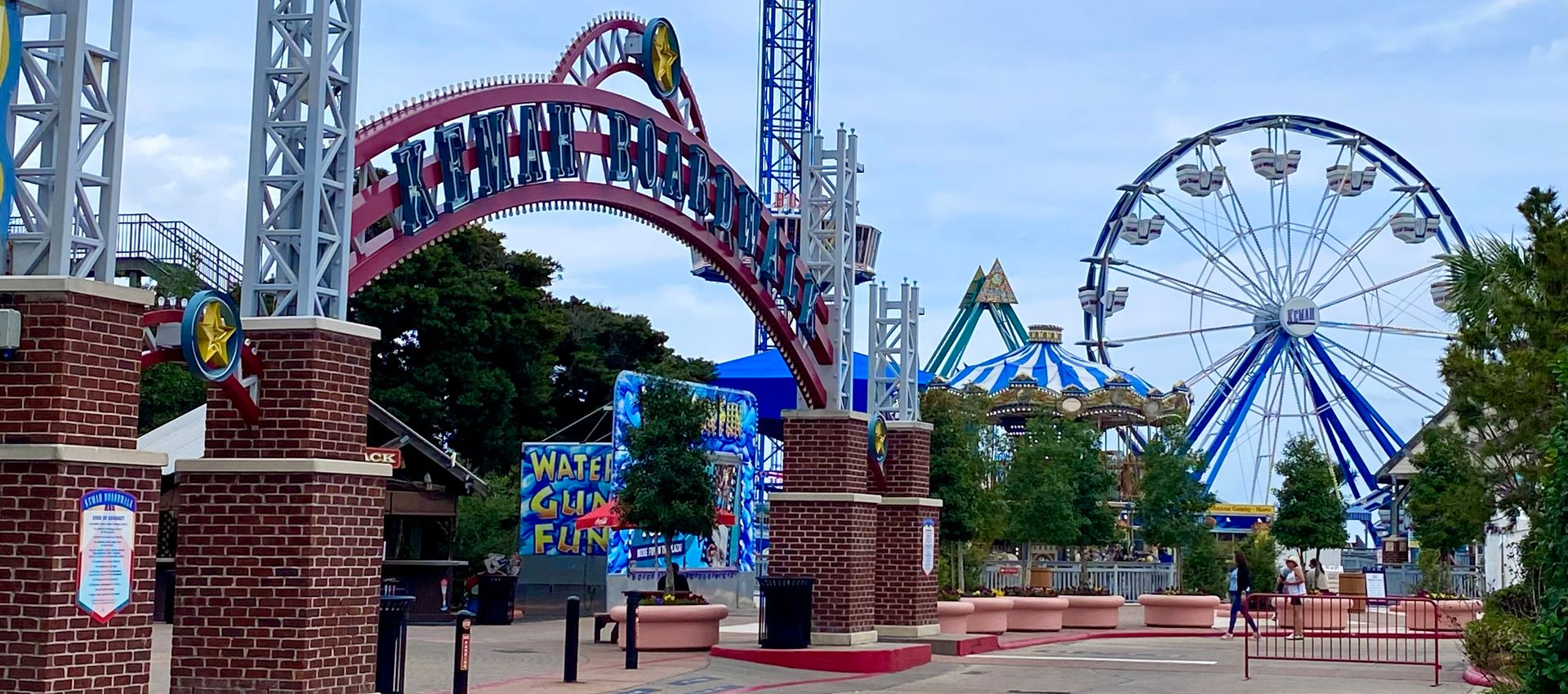
Neighborhoods such as Marina Del Sol, communities surrounding the Kemah Boardwalk area, and residential streets along Todville Road contain mature canopy positioned near homes, waterfront properties, and public spaces typical of long-established coastal communities. Nearby environmental features, including Galveston Bay and Clear Lake, influence local weather patterns and environmental conditions that affect tree growth and long-term canopy stability.
Many residential trees in Kemah grow in open coastal environments where canopy can expand broadly as trees mature. Evaluating structural attachment integrity and canopy balance becomes increasingly important as limbs extend toward homes, driveways, and pedestrian areas. We provide arborist-led services in Kemah focused on documented structural assessment, preservation-first planning, and long-term tree health stability.
Local Tree and Property Conditions in Kemah, TX
Kemah’s landscape reflects its development as a coastal community located between Clear Lake and Galveston Bay. Residential properties often include mature shade trees planted near homes, marinas, and waterfront streets.
Species commonly observed throughout the area include live oak and other trees well adapted to Gulf Coast coastal environments. Trees growing in open waterfront settings frequently develop wide canopy structures that require periodic evaluation as they mature.
Soil conditions across Kemah are influenced by coastal plain sediments and proximity to the Galveston Bay shoreline. These soils can include mixtures of clay and sandy materials that retain moisture following rainfall events while also experiencing drying cycles during extended warm periods.
As canopy matures within residential areas and waterfront neighborhoods, trees growing near homes, sidewalks, and marina infrastructure may require structural evaluation to ensure long-term stability.
Evaluation Philosophy in Kemah
Professional arborist evaluation in Kemah must consider canopy structure, root anchorage performance, environmental exposure, and proximity to surrounding residential or waterfront infrastructure.
Assessment frequently focuses on:
• Structural stability within coastal residential canopy
• Root performance in moisture-variable coastal soils
• Early identification of structural defects or attachment weaknesses
• Canopy distribution relative to homes, streets, and pedestrian areas
Trees that appear healthy may still develop structural conditions that require mitigation. Recommendations are based on documented observations and site-specific environmental conditions.
Priority Services in Kemah, TX
Tree Risk Assessment:
Risk assessment in Kemah commonly addresses canopy that extends over homes, driveways, sidewalks, and waterfront streets, typical of coastal communities. Structural inspection evaluates attachment integrity, defect formation, and weight distribution across large limbs. Where mitigation remains feasible, corrective pruning or structural reduction may be recommended based on documented findings.
Plant Health Care and Root-Zone Management:
Root-zone evaluation may be indicated when vitality decline appears associated with soil compaction, moisture variability, or disturbance related to landscaping or construction activity.
Plant Health Care programs focus on supporting long-term root performance and overall tree vitality when site conditions warrant intervention.
Structural Pruning:
Structural pruning is applied when documented imbalance, defect progression, or canopy interference with nearby structures is identified. Broad canopy thinning is not recommended as a routine preventive practice. Recommendations prioritize maintaining structural stability while preserving canopy health.
Removal Planning and Tree Disposition Guidance:
Removal is recommended only when structural reliability cannot be reasonably mitigated or when defect progression creates unacceptable risk relative to nearby structures or access areas.
Planning includes evaluation of property access, surrounding infrastructure, and protection of adjacent landscape elements during removal operations.
Environmental Considerations in Kemah
Kemah’s location along Galveston Bay exposes trees to coastal wind patterns and seasonal tropical storm systems common to the Gulf Coast region. Trees growing in open coastal landscapes may experience greater wind loading as their canopies expand over time.
Moisture variability associated with coastal soils can influence root-zone stability during periods of heavy rainfall followed by seasonal drying. Periodic arborist evaluations help identify developing structural concerns early, while preservation-first management options remain feasible.
Recent Work in Kemah, TX
Case Study #4136: Biostimulant Support - Bay Breeze, Kemah
Property Context:
At a property in the Bay Breeze area of Kemah, several high-value trees in the front landscape were identified as needing supportive care to improve vitality and maintain stable performance. The treatment targets included the largest pecan tree in the front yard, two red oak trees closest to the front of the house, and one live oak located in the parking row.
Evaluation Findings:
Assessment documented reduced vigor indicators and site-related stress patterns affecting the targeted trees. The evaluation supported a proactive approach focused on improving root-zone biology and overall physiological resilience to help maintain stable canopy performance and reduce sensitivity to seasonal stress.
Intervention:
A biostimulant treatment was performed for the front yard's largest pecan tree, the two red oaks closest to the front of the house, and the live oak in the parking row. The treatment approach was intended to support root-zone function, improve functional capacity, and strengthen overall vitality for more consistent growth and canopy performance.
Outcome (Observable):
Following treatment, the baseline condition was documented for comparison and future performance tracking. The objective of this intervention was improved vitality and increased resilience in the treated trees, supporting more stable canopy performance and improved seasonal growth over time.
Case Study #6488: Oak Leaf Anthracnose Treatment -Lazy Bend, Kemah
Property Context:
At a residence in the Lazy Bend area of Kemah, live oak trees throughout the backyard were exhibiting seasonal foliar symptoms that affected canopy appearance and overall performance. The treatment scope included all backyard live oaks, along with the surrounding soils and grasses, to ensure effective root-zone coverage.
Evaluation Findings:
Assessment documented symptoms consistent with oak leaf anthracnose impacting the backyard live oaks. Findings supported the role of disease pressure in reducing aesthetic quality and causing localized canopy stress, with conditions indicating the need for timely, condition-based management.
Intervention:
An oak leaf anthracnose treatment was performed for all backyard live oak trees, including the surrounding soils and grasses. Management focused on reducing disease impact and supporting foliage recovery and overall tree function through condition-based plant health care applied with attention to root-zone coverage.
Outcome (Observable):
Following treatment, anthracnose symptom expression diminished and canopy appearance improved. Subsequent monitoring documented improved foliage condition and improved seasonal canopy performance consistent with successful disease management and recovery support.
Communities We Serve in Kemah
Eric Putnam BCMA Inc. provides arborist-led tree care, Plant Health Care, and professional tree evaluations throughout Kemah. Our Kemah service area includes properties in communities such as:
- Bay Breeze
- Cypress Bay
- Glen Cove
- Kemah Crossing
- Kemah Oaks
- Lakeside
- Lazy Bend
- Marina Del Sol
- Waterford Harbor Villas
- West Kemah
* If your neighborhood is not listed, contact our office to confirm service availability for your property *
Nearby Cities We Serve
Eric Putnam BCMA Inc. also provides professional tree care and arborist services in communities near Kemah. Select a city below to learn more about our services in that area.

Request an Arborist Evaluation in Kemah, TX
If you have questions regarding canopy stability, structural defects, or long-term tree health in Kemah, request an evaluation with a certified arborist. Recommendations are based on documented findings and site-specific conditions.
Book an Appointment
Get a quote
Contact Us
Liriope’s Muse - Expert Tree Care Tips