
Arborist Services in Clear Lake City, TX
Tree Risk Assessment and Plant Health Care in Clear Lake City, Texas
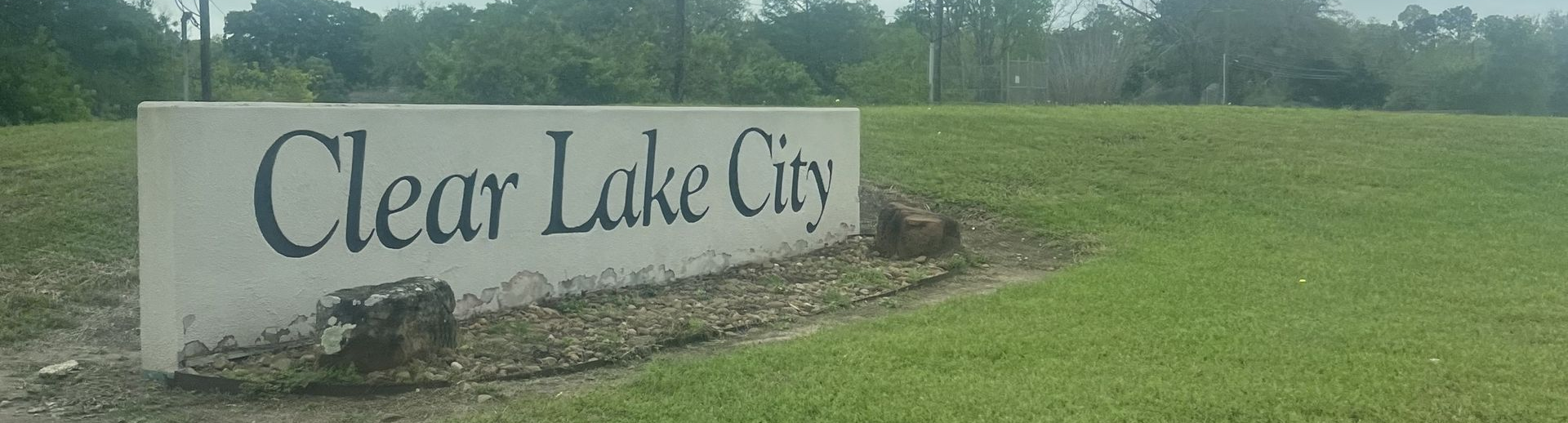
Clear Lake City is an established community in southeast Harris County near NASA's Johnson Space Center. Residential areas such as Bay Oaks and the wooded Bay Forest community support tree care focused on preservation, root-zone conditions, and the relationship between trees and surrounding property.
Eric Putnam BCMA Inc. provides arborist-led evaluation, Plant Health Care, and tree services in Clear Lake City. Led by ISA Board Certified Master Arborist Eric Putnam, our team assesses tree and site conditions to guide preservation planning, appropriate intervention, and continued care.
Local Tree and Property Conditions in Clear Lake City
The area drains through bayou channels and stormwater infrastructure toward Clear Lake and Galveston Bay. Each yard's grading, soil, and irrigation also affect drainage. Pay attention to root conditions when a tree develops thinning foliage, dead branches, or reduced growth.
Driveway replacement, pool installation, utility trenching, and added planting beds can disturb roots or alter their growing conditions. Construction damage can take years to become apparent, so the property's history should be part of the evaluation.
Evaluation Philosophy in Clear Lake City
We evaluate the tree and its surroundings to determine whether treatment, pruning, monitoring, further testing, or removal is appropriate. An evaluation may consider:
- Changes in foliage, growth, and branch condition
- Visible defects in the trunk, branch attachments, and root flare
- Soil conditions, drainage, irrigation, and previous disturbance
- The position of branches and trees relative to people and property
A full canopy alone does not establish structural soundness. We explain the observations, their significance, and any limitations that affect the recommendations.
Priority Services in Clear Lake City
Tree Risk Assessment:
Damaged branches, visible decay, or a change in lean may call for an assessment of tree risk. We consider the findings and surrounding property when recommending monitoring, pruning, additional assessment, or removal if the risk cannot be reasonably managed.
Plant Health Care and Root-Zone Management:
Discolored leaves and canopy decline can have several causes. We consider the tree's condition and growing environment before selecting treatment. Care may address identified pests, root-zone conditions, irrigation, or soil limitations. Testing and continued observation may help clarify the cause or evaluate the response.
Structural Pruning:
Pruning should address a defined objective, such as dead branches, a structural concern, or roof clearance. We consider the species, age, and condition before recommending cuts. Routine heavy thinning can stress a tree by removing foliage it uses to produce energy.
Removal Planning and Tree Disposition Guidance:
Preservation is the priority when the tree's condition and site allow it. Necessary removal work is planned around equipment access, structures, utilities, and landscape protection. Stump grinding can be included where appropriate for the property and its intended use.
Environmental Considerations in Clear Lake City
Clear Lake City's low-lying setting makes drainage an important consideration. A yard that remains wet may need a different care plan from a nearby property with limited soil moisture. We evaluate the actual site before recommending watering or root-zone changes.
After a storm, broken branches, new cracks, or movement around a tree's base warrant professional attention. Care should address the damage and prospects for recovery. Mitigation can reduce some risks, but cannot make a tree storm-proof.
Recent Work in League City, TX
Case Study #02715: Phytophthora Bleeding Canker Observation - Brook Forest, Clear Lake City
Property Context:
At a residence in the Brook Forest area of Clear Lake City, a front yard willow oak was evaluated after symptoms raised concern for a trunk and vascular disease issue.
Evaluation Findings:
The arborist on site observed Phytophthora ramorum, bleeding canker, on the front yard willow oak. The condition disrupts water and nutrient movement through the tree, with symptoms that can include wilting, browning foliage, trunk cankers, and progressive decline.
The evaluation also identified contaminated pruning equipment as a possible pathway for pathogen transmission. Pruning tools that contact infected plant tissue can carry pathogens to another tree if they are not properly cleaned and disinfected between uses. This creates an avoidable risk of inoculating fresh pruning wounds and spreading disease between trees.
Intervention:
This case documents a mandatory arborist observation of bleeding canker on the willow oak. Management focused on identifying the disease condition, reducing additional stress on the tree, and emphasizing strict sanitation of pruning equipment to prevent further pathogen movement. Properly cleaning and disinfecting pruning tools between trees was considered an important part of preventing further spread.
Outcome (Observable):
The disease condition and associated transmission risk were documented so appropriate management decisions could be made for the affected willow oak. The case also established the need for improved pruning sanitation practices to reduce the likelihood of spreading similar pathogens to other trees on the property.
Case Study #10205: Bracing and Bolting Service, Meadow Green, Clear Lake City, TX
Property Context:
At a residence in the Meadow Green area of Clear Lake City, a front-yard velvet ash was identified as needing supplemental structural support due to weakly attached limbs and concerns about future structural failure.
Evaluation Findings:
Assessment documented structural conditions that supported the use of bracing and bolting to improve stability. The evaluation determined that through-rod reinforcement would help strengthen weak attachment points and reduce movement within the affected structure while minimizing additional injury during installation.
Intervention:
A bracing and bolting service was recommended for the front yard Velvet ash. Two 4-foot galvanized rods were specified for installation through the tree. Each rod would be drilled through the tree to cause as little damage as possible while providing permanent internal reinforcement. The work was specified to follow ANSI A300 Standards and ISA Best Management Practices for structural support systems.
Outcome (Observable):
This case study documents a recommended structural support service. Once completed, the bracing system is intended to strengthen weakly attached limbs, improve structural stability, and reduce the likelihood of future failure.
Communities We Serve in Clear Lake City
Eric Putnam BCMA Inc. provides arborist-led tree care, Plant Health Care, and professional tree evaluations throughout Clear Lake City. Our Clear Lake City service area includes properties in communities such as:
- Bay Forest
- Bay Glen
- Bay Knoll
- Bay Oaks
- Bay Pointe
- Brook Forset
- Brookwood
- Middlebrook
- Northfork
- Pinebrook
* If your neighborhood is not listed, contact our office to confirm service availability for your property *
Nearby Cities We Serve
Eric Putnam BCMA Inc. also provides professional tree care and arborist services in communities near Clear Lake City. Select a city below to learn more about our services in that area.

Request an Arborist Evaluation in Clear Lake City, TX
If you have questions about structural stability, canopy performance, or long-term tree health in Clear Lake City, request an evaluation with a certified arborist. Recommendations are based on documented findings and your site's specific conditions.
Book an appointment below
Get a quote
Contact Us
Liriope’s Muse - Expert Tree Care Tips