
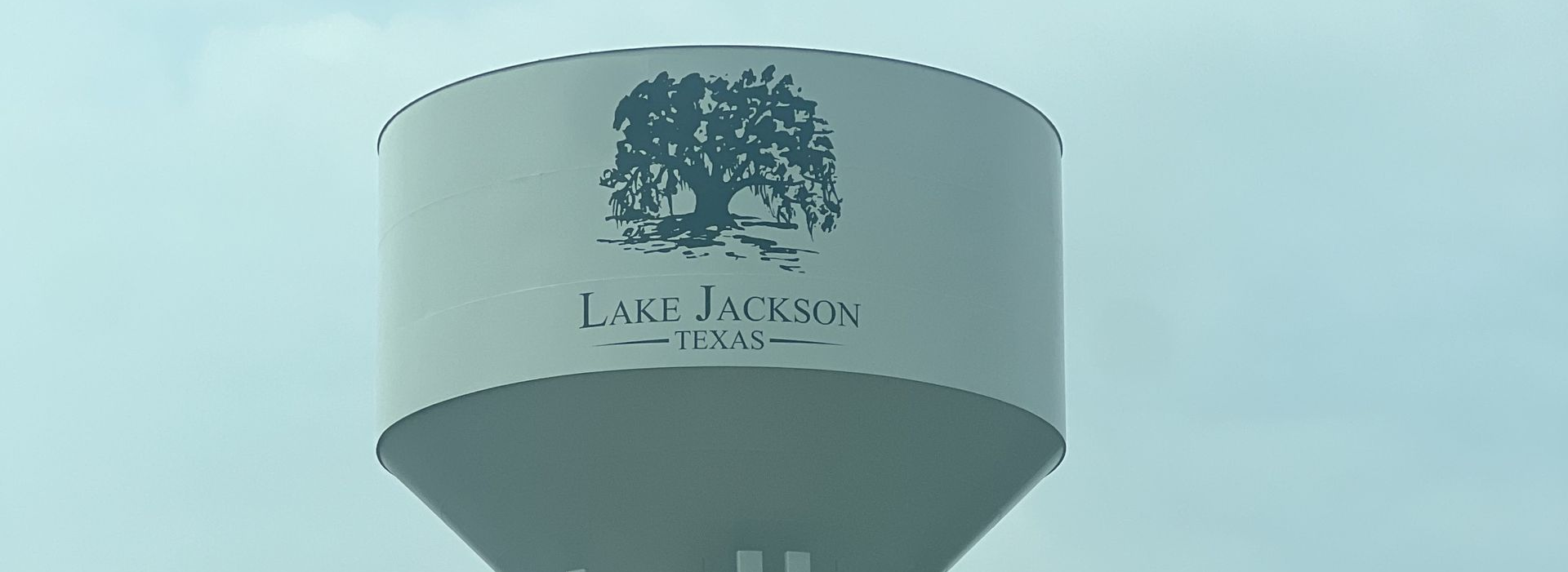
Arborist Services in Lake Jackson, TX
Tree Risk Assessment and Environmental Stability Planning in Lake Jackson, Texas
Lake Jackson, TX is located within the Texas coastal plain and includes established residential neighborhoods with maturing canopy. Tree management in Lake Jackson frequently involves evaluating structural reliability under variable moisture conditions and seasonal storm exposure common to the Gulf Coast region.
We provide arborist-led services in Lake Jackson focused on documented structural assessment, preservation-first planning, and long-term canopy stability.
Local Tree and Property Conditions in Lake Jackson, TX
Lake Jackson’s location within the coastal plain contributes to relatively flat terrain and soil conditions influenced by regional drainage patterns. Extended rainfall events may temporarily affect soil oxygen availability, while extended dry periods can introduce moisture stress cycles typical of Southeast Texas.
Established residential neighborhoods contain canopy that has matured over decades. Trees frequently extend over homes, driveways, and pedestrian areas as they grow beyond initial planting dimensions.
Storm systems moving inland from the Gulf may introduce wind exposure that influences long-term structural development. Evaluation must consider canopy balance and attachment integrity relative to these environmental factors.
Evaluation Philosophy in Lake Jackson
Professional arborist evaluation in Lake Jackson must account for soil behavior, moisture variability, structural attachment development, and target exposure.
Assessment frequently focuses on:
• Root stability in moisture-variable soils
• Structural integrity under seasonal storm exposure
• Early detection of defect progression
• Canopy distribution relative to residential structures
Visible canopy density does not necessarily indicate structural reliability. Recommendations are based on documented findings and observed site conditions.
Priority Services in Lake Jackson, TX
Tree Risk Assessment:
Risk assessment in Lake Jackson often addresses canopy extension over homes, fences, and driveways. Structural inspection evaluates attachment strength, defect formation, and weight distribution relative to targets.
When mitigation is appropriate, branch-tip reduction or defect correction may be recommended based on documented structural findings.
Plant Health Care and Root-Zone Management:
Root-zone evaluation may be indicated where vitality decline appears linked to soil compaction or moisture variability.
Plant Health Care in Lake Jackson focuses on improving functional resilience within the root environment when conditions warrant intervention. Treatments are condition-driven rather than routine.
Structural Pruning:
Structural pruning is objective-based and applied when documented defects or imbalance are identified. Broad canopy thinning is not promoted as a generalized preventive measure.
Recommendations prioritize maintaining structural stability while preserving canopy health.
Removal Planning and Tree Disposition Guidance:
Removal is considered only when structural reliability cannot be reasonably mitigated. Planning includes evaluation of access logistics, surrounding infrastructure, and property protection. When regulatory considerations apply, we assist property owners in identifying documentation requirements before proceeding.
Environmental Considerations in Lake Jackson
Lake Jackson’s coastal plain environment and seasonal storm exposure require evaluation that accounts for evolving structural development over time. Mature canopy in established neighborhoods benefits from periodic professional review rather than reactive intervention.
Preservation-first management remains the priority when mitigation remains feasible.
Recent Work in Lake Jackson, TX
Case Study #2282: Oak Leaf Anthracnose Treatment - Jackson Plantation, Lake Jackson
Property Context:
At a residence in the Jackson Plantation area of Lake Jackson, a front yard live oak tree developed seasonal foliar symptoms that affected canopy appearance and overall performance.
Evaluation Findings:
Assessment documented symptoms consistent with oak leaf anthracnose affecting the live oak. Findings included characteristic leaf spotting and foliar distortion patterns aligned with anthracnose activity, contributing to localized canopy stress and reduced aesthetic quality.
Intervention:
A targeted oak leaf anthracnose treatment was performed to reduce disease pressure and support foliage recovery. Management focused on condition-based plant health care measures aligned with symptom timing and site conditions to improve overall tree function.
Outcome (Observable):
Following treatment, anthracnose symptoms diminished and foliage condition improved. Subsequent monitoring documented improved canopy appearance and renewed seasonal growth consistent with successful disease management and recovery support.
Case Study #3548: Ball Moss Management - Flagridge, Lake Jackson
Property Context:
At a residence in the Flagridge area of Lake Jackson, live oak trees in the front yard were impacted by ball moss accumulation. The homeowner reported increasing visibility of the growth in the canopy and concerns about tree performance.
Evaluation Findings:
Assessment documented ball moss presence throughout the live oak canopies. Coverage levels were sufficient to affect canopy appearance and contribute to added stress in weaker sections by increasing shading and localized twig load, particularly where accumulation was densest.
Intervention:
A targeted management program was implemented to reduce ball moss load and improve canopy condition. Treatment focused on reducing ball moss presence while supporting overall tree function through condition-based care.
Outcome (Observable):
Following intervention, ball moss presence was substantially reduced and canopy appearance improved. Subsequent monitoring documented improved overall performance and seasonal growth response consistent with successful management.
Case Study #6815: Support for Two Ancient Live Oaks - Oak Forest Lake, Lake Jackson
Property Context:
At a residence in the Oak Forest Lake area of Lake Jackson, two ancient live oaks were identified as needing supportive care to maintain long term vitality. One tree is located in the front yard and the second is located in the back yard.
Evaluation Findings:
Assessment documented reduced vigor indicators consistent with age related stress and cumulative site impacts typical of very mature trees. Canopy performance and growth patterns supported the need for proactive support focused on root-zone function and overall physiological resilience rather than corrective pruning alone.
Intervention:
A biostimulant treatment was recommended for both live oaks to support root-zone biology and improve functional capacity. The treatment approach is intended to strengthen overall vitality, support more stable canopy performance, and improve the trees’ ability to respond to seasonal stressors.
Outcome (Observable):
This case study documents a recommended biostimulant treatment need for both ancient live oaks. Observable response is expected to be documented through post treatment monitoring, with the objective of improving vitality and supporting sustained canopy function over time.
Communities We Serve in Lake Jackson
Eric Putnam BCMA Inc. provides arborist-led tree care, Plant Health Care, and professional tree evaluations throughout Lake Jackson. Our Lake Jackson service area includes properties in communities such as:
- Forset Bend
- Forest Oaks
- Lake Forest
- Magnolia Park
- Majestic Oaks
- Mesa Verde
- Oak Forest
- Southern Oaks
- Tanglewood
- Yaupon Place
* If your neighborhood is not listed, contact our office to confirm service availability for your property *

Request an Arborist Evaluation in Lake Jackson, TX
If you have questions regarding canopy stability, structural defects, or long-term tree health in Lake Jackson, request an evaluation with a certified arborist. Recommendations are based on documented findings and site-specific conditions.
Book an appointment below
Get a quote
Contact Us
Liriope’s Muse - Expert Tree Care Tips