


Liriope’s Muse: Tree Care Tips from a Master Arborist
TRUSTED TREE CARE SERVICES SINCE 1970
Liriope's Muse: How can I know if my plant was damaged during a freeze?
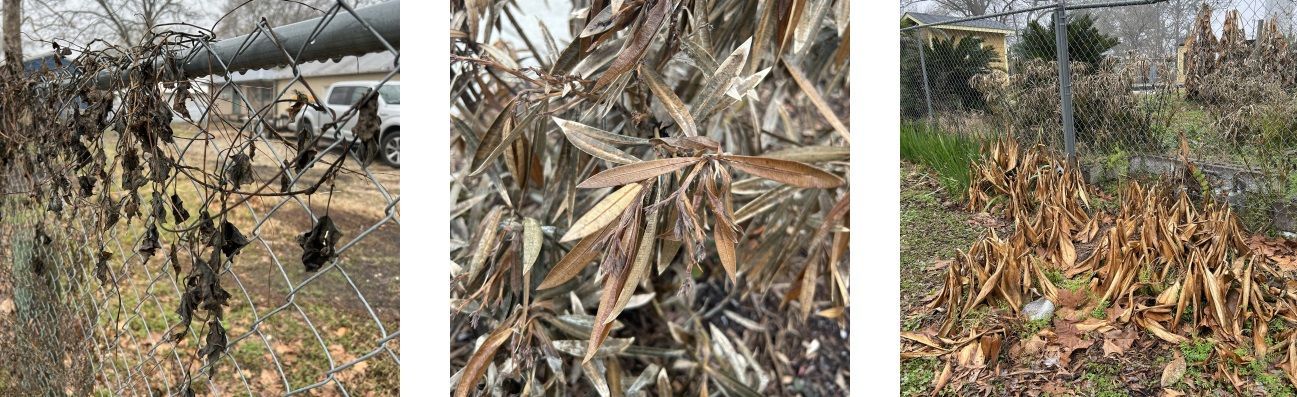
A plant's survivability chances are based on its species, as each plant and/or tree has their own unique freeze tolerance levels.
In order to identify whether or not your plant will be damaged by an upcoming freeze, it is important that you familiarize yourself with the species and cold hardiness zone of your plant. This is because each species of plant has 3 separate tolerance survivability levels, the first being the temperature in which causes foliage loss, second, the temperature in which causes plant death, and third, the temperature in which causes root and/or bulb loss.
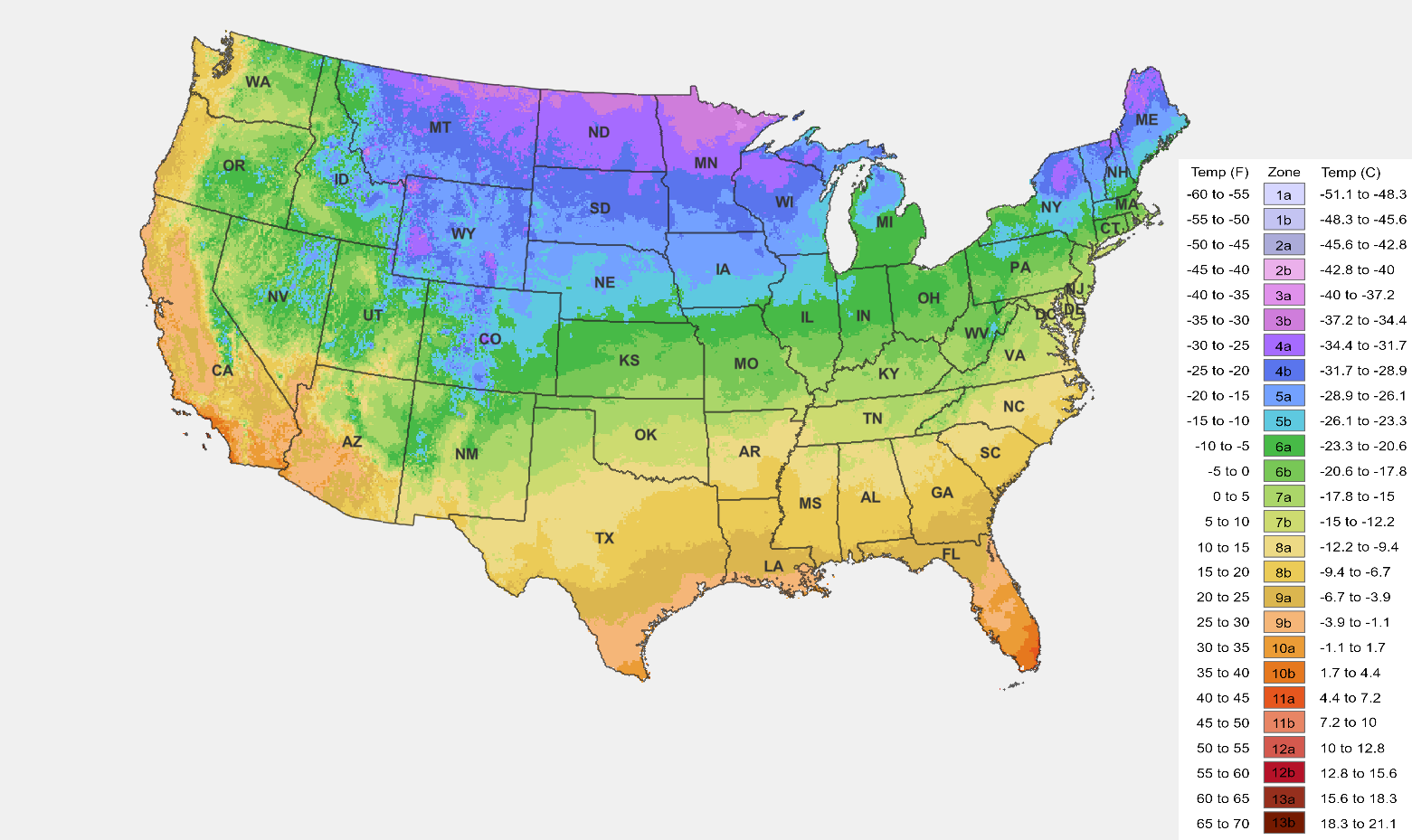
What is a cold hardiness zone and why does it matter?
The USDA plant hardiness zone map creates a standard by which gardeners and growers across America can determine which plants, crops, and trees will most likely grow and thrive in their zone or location. This is an essential tool that is divided into 10* Fahrenheit zones and updated yearly to ensure accuracy for the coming year.
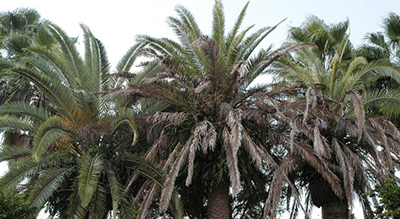
Freezing temperatures can be very detrimental to your plants, some common signs of damage to look out for after a freeze are droopy and shriveled foliage, like that of an underwatered plant, that is soft and mushy to the touch. Foliage that has turned brown or purplish in color and begun dropping. Additionally, during prolonged freezing temperatures, you may notice your plant and/or trees bark splitting. And if you happen to see this, the chances are you will be burying your plant for the second time... this time without resurrection.
Check out his article to LEARN MORE about what freezing temperatures can do to your plants.
How can I prevent from losing my plants in the future? Plant more native plants! Plants are adapted to the environment or zone they are native to and provide essential food and shelter resources to native wildlife. So keep this in mind the next time you are shopping for leafy beauties, could a tropical hibiscus be able to thrive in a dry cool climate like yours?
Liriope’s Muse - Expert Tree Care Tips