

Arborist Services in Spring, TX
Mature Canopy Risk Assessment and Preservation Planning in Spring, Texas
Spring, TX includes established residential neighborhoods with higher canopy density and mixed-species composition compared to many newer suburban developments. Tree management in Spring frequently involves evaluating taller canopy structures, complex branch architecture, and increased wind exposure during seasonal storm activity.
We provide arborist-led services in Spring focused on documented structural assessment, preservation-first planning, and long-term canopy stability.
Local Tree and Property Conditions in Spring, TX
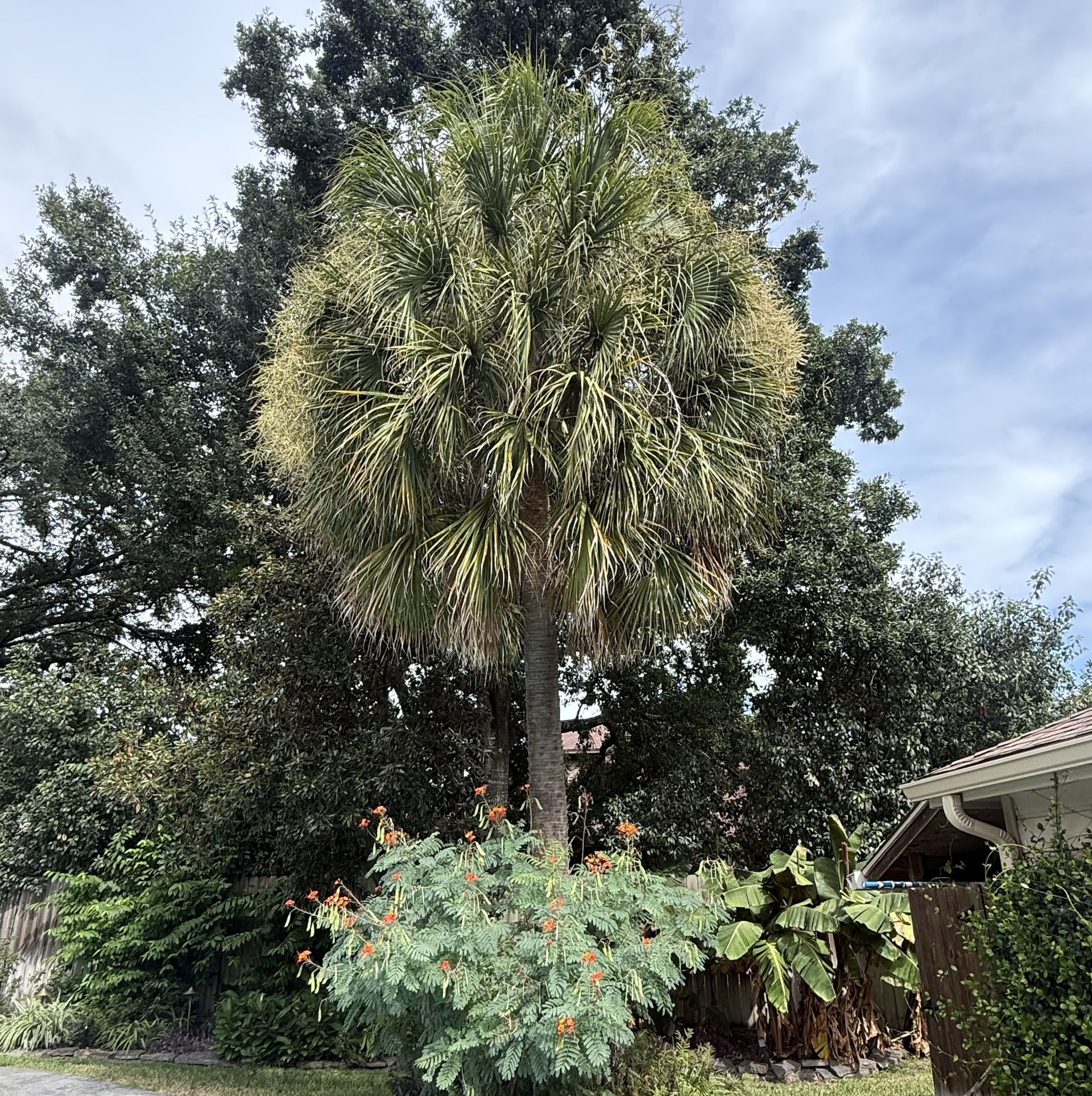
Many neighborhoods in Spring contain mature trees growing on wooded or semi-wooded residential lots. As canopy height increases over time, attachment integrity and weight distribution become increasingly important.
Mixed species composition common in the region can result in varied structural profiles within a single property. Trees may develop differently based on soil variability, past construction disturbance, or long-term compaction.
Storm systems moving through Southeast Texas can expose taller canopy to directional wind loading. Evaluation in Spring often requires examining structural balance relative to prevailing exposure patterns.
Drainage conditions vary by neighborhood. Some properties experience temporary soil saturation during heavy rainfall, while others may show signs of periodic drought stress during extended dry periods.
Evaluation Philosophy in Spring
Professional arborist evaluation in Spring must account for canopy height, attachment development, root stability, and target exposure.
Assessment frequently focuses on:
• Structural attachment integrity in mature trees
• Early identification of defect progression
• Root-zone performance under variable moisture conditions
• Canopy distribution relative to homes and access areas
Visible canopy density does not automatically indicate structural reliability. Recommendations are based on documented findings and observed conditions.
Priority Services in Spring, TX
Tree Risk Assessment:
Risk assessment in Spring commonly addresses taller canopies extending over homes, driveways, fences, and pedestrian access points. Structural inspection evaluates attachment strength, defect development, and weight distribution.
Where mitigation is feasible, branch-tip reduction or defect correction may be recommended based on documented structural findings.
Plant Health Care and Root-Zone Support:
Mature canopy often benefits from monitoring root-zone function, particularly in properties influenced by historical compaction or construction activity.
Plant Health Care in Spring focuses on supporting long-term functional resilience. Interventions are condition-driven and applied only when indicated by evaluation.
Structural Pruning:
Structural pruning is objective-based and used to correct documented defects or imbalance. Broad canopy thinning is not promoted as a routine storm-prevention strategy.
Pruning recommendations prioritize structural stability while preserving canopy health.
Removal Planning and Tree Disposition Guidance:
Removal is recommended only when structural reliability cannot be reasonably mitigated. Planning includes evaluation of access logistics, surrounding infrastructure, and property protection.
When regulatory considerations apply, we assist in identifying documentation requirements prior to proceeding.
Environmental Considerations in Spring
Spring’s mature canopy and wooded character create environments where structural development over time must be monitored rather than assumed stable. Storm exposure and seasonal moisture variability contribute to long-term structural evolution.
Preservation-first management remains the priority when mitigation is feasible.
Recent Work in Spring, TX
Case Study #4004: Bleeding Canker - Terranova, Spring
Property Context:
At a residence in the Terranova area of Spring, water oak trees in the front yard were exhibiting decline indicators consistent with a trunk related disease process rather than routine environmental stress.
Evaluation Findings:
Assessment documented symptoms consistent with Phytophthora ramorum associated bleeding canker affecting the water oaks. Observable indicators included trunk and basal symptoms aligned with canker development and vascular disruption, with symptom presentation supporting a bleeding canker diagnosis. The condition created elevated risk for progressive decline if not addressed in a timely, condition-based manner.
Intervention:
A targeted treatment plan was developed for the affected front yard water oaks to address the bleeding canker condition and support tree function. Management was structured to reduce pathogen pressure, support physiological performance, and stabilize the trees through condition-based plant health care and follow-up evaluation.
Outcome (Observable):
This case study documents confirmed bleeding canker findings and the treatment plan for the affected water oaks. Observable response is to be documented through post treatment monitoring, with the goal of confirming symptom resolution and long term stability of the treated trees.
Case Study #1706: Whitefly and Scale Infestation - Klein, Spring
Property Context:
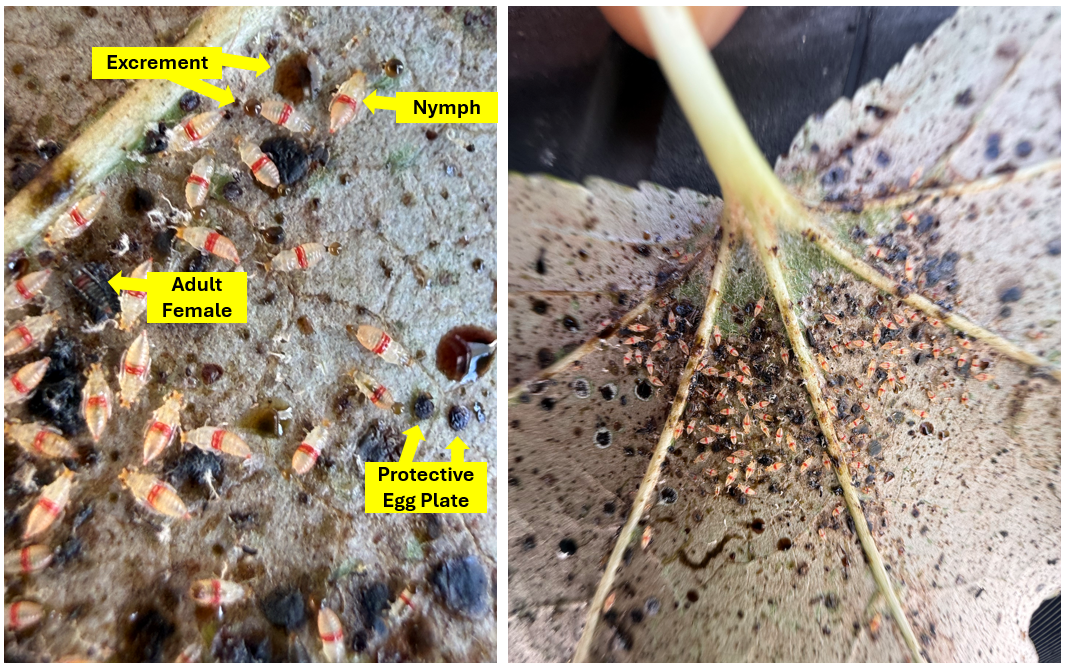
At a residence in the Klein area of Spring, ornamental plants in the front yard were showing widespread decline and aesthetic damage. The primary affected plants included crape myrtles and roses.
Evaluation Findings:
Assessment confirmed whiteflies and scale insects on the crape myrtles, producing heavy honeydew accumulation. The honeydew supported development of a black fungal growth commonly referred to as sooty mold, which can coat leaf surfaces and reduce photosynthetic function. The roses were affected by the same sap-feeding insect pressure and associated black fungal coating, creating site-wide plant stress and reduced vigor.
Intervention:
A targeted plant health care program was implemented to suppress the whiteflies and scale insects and interrupt ongoing honeydew production. Management focused on pest eradication, reduction of fungal coating through improved plant surface conditions, and restoration of plant function through condition-based support.
Outcome (Observable):
Following intervention, whitefly and scale pressure was brought under control and honeydew production was substantially reduced. The black fungal coating diminished as pest activity stopped and plant surfaces recovered. Subsequent monitoring documented improved foliage condition and renewed growth response in both the crape myrtles and roses.
Case Study #828: Pine Bark Beetle Infestation - Augusta Pines, Spring
Property Context:
At a property in the Augusta Pines area of Spring, pine trees across the entire site were showing rapid decline patterns consistent with an active bark beetle event. The distribution of symptoms indicated a property-wide infestation rather than an isolated single-tree issue.
Evaluation Findings:
Assessment documented indicators consistent with pine bark beetle activity affecting multiple pines on the property. Observable signs supported active infestation pressure contributing to reduced vigor and accelerated decline risk. The pattern across the site indicated elevated beetle pressure requiring a coordinated, property-wide response.
Intervention:
A targeted bark beetle management strategy was implemented across the property to suppress active pressure and protect remaining viable pines. Management focused on reducing ongoing infestation impacts and supporting tree function through condition-based measures aligned with observed severity and site conditions.
Outcome (Observable):
Following intervention, beetle pressure was brought under control and remaining pines stabilized. Subsequent monitoring documented improved canopy performance in retained trees and reduced indicators consistent with ongoing bark beetle activity across the property.
Communities We Serve in Spring
Eric Putnam BCMA Inc. provides arborist-led tree care, Plant Health Care, and professional tree evaluations throughout Spring. Our Spring service area includes properties in communities such as:
- Auburn Lakes
- Benders Landing
- Country Lake Estates
- Gleannloch Farms
- Lakes of Cypress Forest
- Memorial Northwest
- Northgate Crossing
- Spring lakes
- Spring Trails
- Windrose
* If your neighborhood is not listed, contact our office to confirm service availability for your property *
Nearby Cities We Serve
Eric Putnam BCMA, Inc. also provides professional tree care and arborist services in communities near Spring. Select a city below to learn more about our services in that area.

Request an Arborist Evaluation in Spring, TX
If you have questions regarding canopy stability, structural defects, or long-term tree health in Spring, request an evaluation with a certified arborist. Recommendations are based on documented findings and site-specific conditions.
Book an appointment below
Get a quote
Contact Us
Liriope’s Muse - Expert Tree Care Tips