


Arborist Services in Richmond, TX
Tree Risk Assessment and Root-Zone Evaluation in Richmond, Texas
Richmond, TX includes a mix of historic neighborhoods near the Brazos River corridor and expanding residential development in surrounding areas. Tree management in Richmond frequently involves evaluating mature canopy influenced by variable soil conditions and periodic moisture shifts associated with regional watershed patterns.
We provide arborist-led services in Richmond focused on documented structural assessment, preservation-first planning, and long-term tree health stability.
Local Tree and Property Conditions in Richmond, TX
Richmond lies within the Brazos River watershed, and portions of the community may experience variable soil moisture depending on elevation and drainage patterns. In lower-lying areas, periodic saturation may influence root-zone oxygen levels. In higher-elevation residential zones, extended dry periods common to Southeast Texas introduce cyclical stress.
Historic residential areas near the downtown corridor feature mature trees alongside older infrastructure and narrower setbacks. Newer residential developments outside the historic core may reflect grading and soil modification associated with subdivision construction.
Larger lot configurations in some sections of Richmond create broader canopy expansion over time. As canopy height and lateral spread increase, structural distribution relative to homes, fences, and driveways requires periodic evaluation.
Evaluation Philosophy in Richmond
Professional arborist evaluation in Richmond must account for watershed influence, soil variability, structural attachment development, and target proximity.
Assessment frequently focuses on:
• Root stability in moisture-variable soils
• Structural integrity in mature canopy
• Early identification of defect progression
• Canopy distribution relative to residential structures
Visible canopy density does not necessarily confirm internal structural stability. Recommendations are based on documented condition and observed risk factors.
Priority Services in Richmond, TX
Tree Risk Assessment:
Risk assessment in Richmond often addresses mature canopy extending over homes, driveways, and pedestrian areas. Structural inspection evaluates attachment strength, defect formation, and weight distribution relative to targets.
Where mitigation is feasible, branch-tip reduction or defect correction may be recommended based on documented structural findings.
Plant Health Care and Root-Zone Support:
Variable soil moisture patterns may influence long-term root function. Root-zone assessment may be indicated where vitality decline is observed.
Plant Health Care in Richmond focuses on supporting functional root systems and improving long-term resilience when conditions warrant intervention. Treatments are condition-driven and aligned with observed site conditions.
Structural Pruning:
Structural pruning is objective-based and applied when documented defects or imbalance are identified. Broad canopy thinning is not promoted as a generalized preventive measure.
Recommendations prioritize maintaining structural stability while preserving canopy health.
Removal Planning and Tree Disposition Guidance:
Removal is recommended only when structural reliability cannot be reasonably mitigated. Planning considers access logistics, property protection, and surrounding infrastructure.
When regulatory or permitting considerations apply, we assist property owners in identifying documentation requirements before proceeding.
Environmental Considerations in Richmond
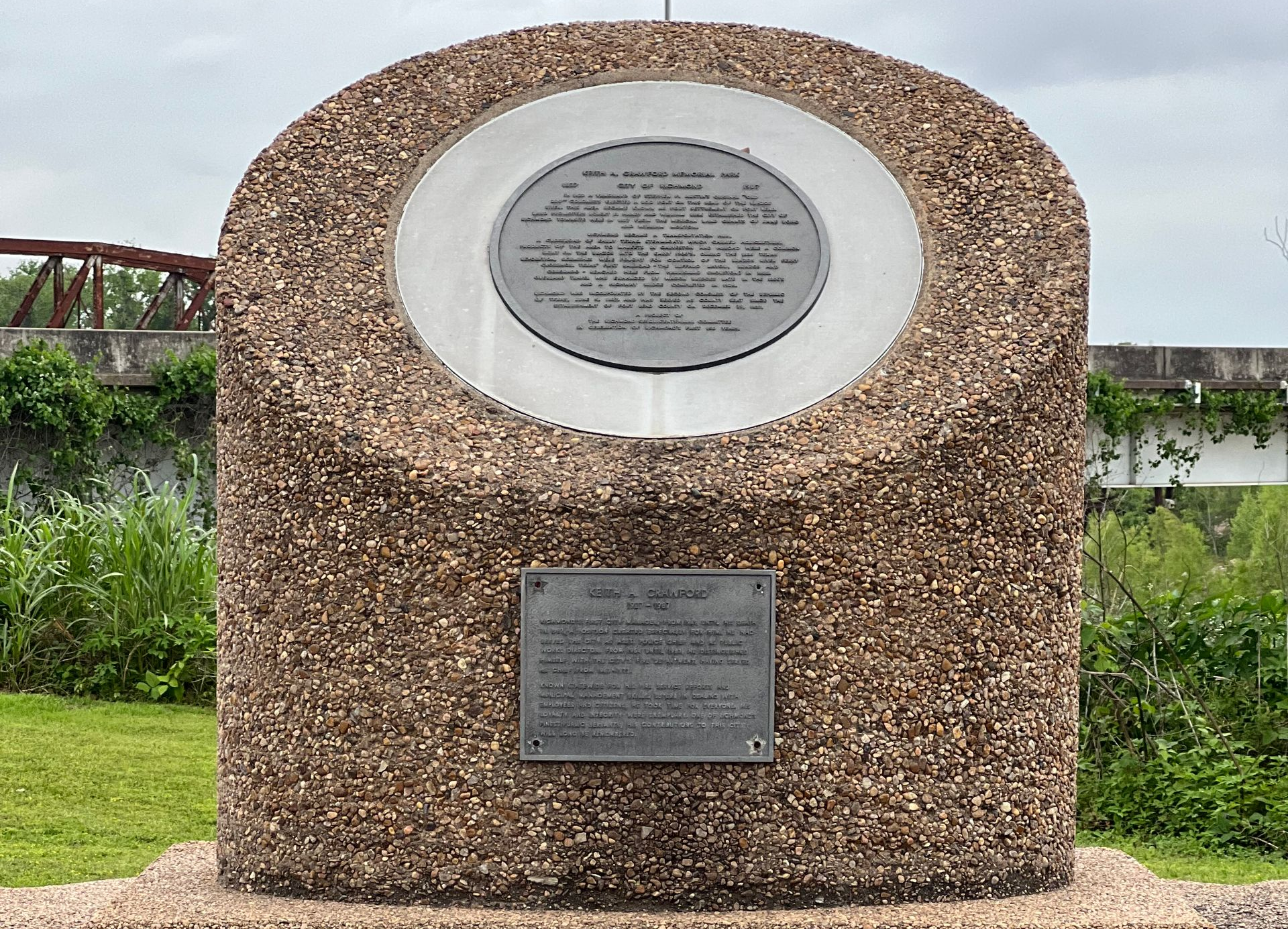
Richmond’s proximity to the Brazos River corridor introduces environmental variables that differ from inland suburban settings. Periodic flooding events and watershed behavior may influence long-term soil conditions.
Evaluation must consider these environmental factors without assuming visible stress equates to structural instability. Preservation-first management remains the priority when mitigation is feasible.
Recent Work in Richmond, TX
Case Study #110: White Rot Decline After Over-Pruning - Plantation Meadows, Richmond
Property Context:
At a residence in the Plantation Meadows area of Richmond, an Arizona ash tree in the front yard was in visible decline following a prior over-pruning event. The timing of decline and the extent of canopy reduction suggested that pruning related stress and wounding were major contributors to the current condition.
Evaluation Findings:
Assessment documented canopy thinning, reduced vigor, and decline consistent with loss of functional leaf area from over-pruning. Evaluation also identified signs consistent with white rot, indicating active wood decay within structural tissues. Based on the pruning history and the nature of the decay presentation, the tree was most likely inoculated during prior pruning activity, with contaminated pruning equipment considered a probable source. This type of introduction can occur when tools are used across multiple trees without sanitation, especially when pruning cuts expose susceptible tissue.
Intervention:
A condition-based management plan was implemented focused on risk reduction and decline management. The approach emphasized documenting the extent of decay and structural reliability, reducing likelihood of failure through defect-focused pruning where appropriate, and implementing plant health care support to reduce additional stress and promote remaining functional capacity. Sanitation practices were also emphasized for any future pruning work to prevent spread of decay organisms to other trees.
Outcome (Observable):
This case study documents a decline scenario driven by over-pruning stress with confirmed indicators consistent with white rot. Tree condition was documented to guide management and risk decisions, with the primary objective of limiting further decline and addressing safety exposure associated with internal decay.
Case Study #1049: Spanish Moss Infestation Management - River Forest, Richmond
Property Context:
At a residence in the River Forest area of Richmond, trees throughout the property were heavily affected by Spanish moss. The issue was distributed across the site canopy rather than limited to a single tree or isolated area.
Evaluation Findings:
Assessment documented widespread Spanish moss accumulation across the tree population. Coverage levels were sufficient to impact canopy appearance and contribute to added canopy stress in weaker sections of the crown by increasing shading and canopy weight. The site-wide distribution supported the need for a coordinated, property-level management approach.
Intervention:
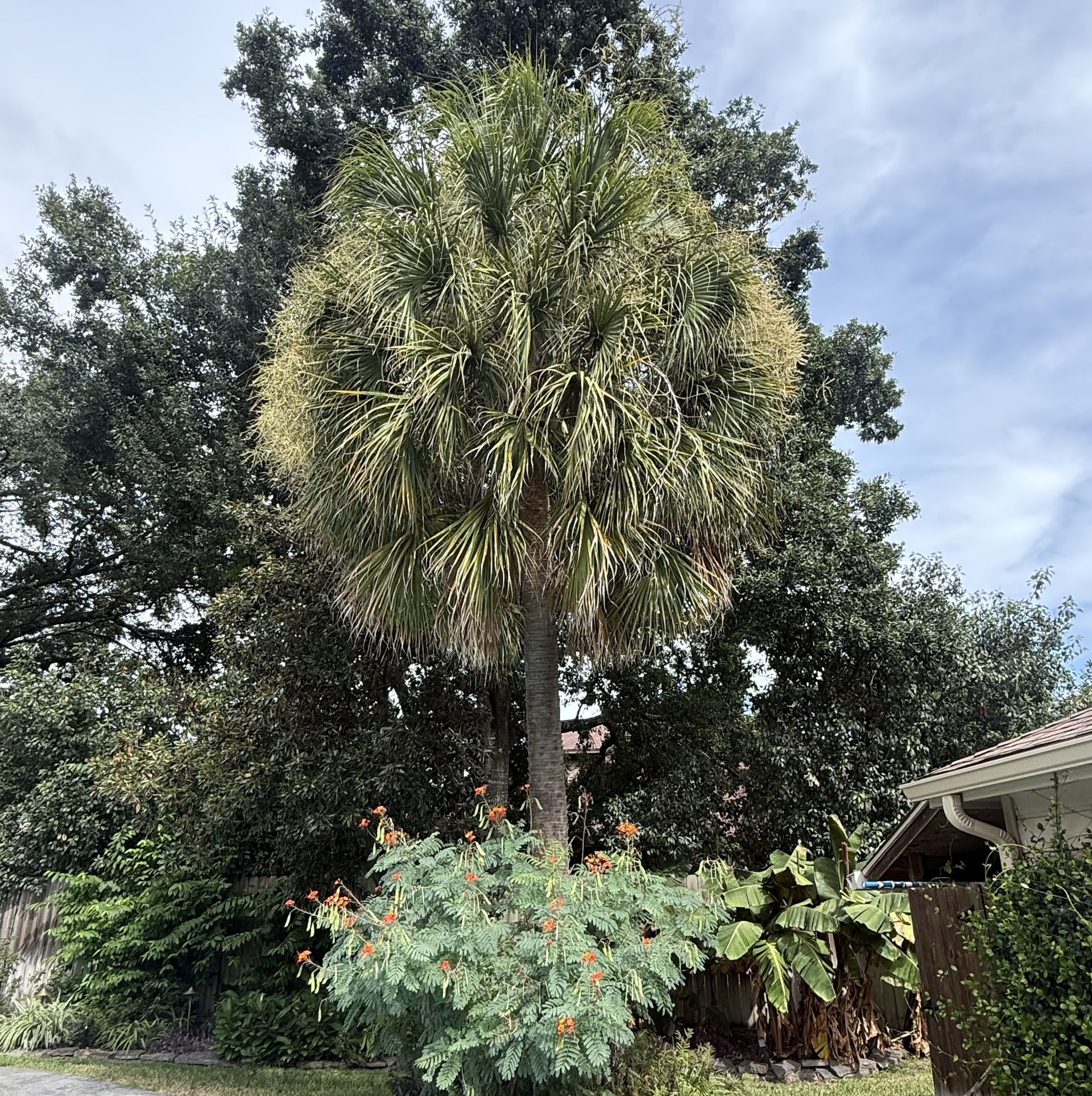
A targeted management program was implemented across the property to reduce Spanish moss load and improve canopy condition. Work focused on reducing moss presence throughout the affected canopies and supporting overall tree performance through condition-based care.
Outcome (Observable):
Following intervention, Spanish moss presence was substantially reduced across the property. Subsequent monitoring documented improved canopy appearance and improved overall tree performance consistent with successful property-wide management.
Communities We Serve in Richmond
Eric Putnam BCMA Inc. provides arborist-led tree care, Plant Health Care, and professional tree evaluations throughout Richmond. Our Richmond service area includes properties in communities such as:
- Aliana
- Fieldstone
- Grand Mission Estates
- Harvest Green
- Long Meadow Farms
- Pecan Grove
- Royal Lakes Estates
- Veranda
- Waterside Estates
- Williams Ranch
* If your neighborhood is not listed, contact our office to confirm service availability for your property *
Nearby Cities We Serve
Eric Putnam BCMA, Inc. also provides professional tree care and arborist services in communities near Richmond. Select a city below to learn more about our services in that area.

Request an Arborist Evaluation in Richmond, TX
If you have questions regarding canopy stability, structural defects, or long-term tree health in Richmond, request an evaluation with a certified arborist. Recommendations are based on documented findings and site-specific conditions.
Book an appointment below
Get a quote
Contact Us
Liriope’s Muse - Expert Tree Care Tips