

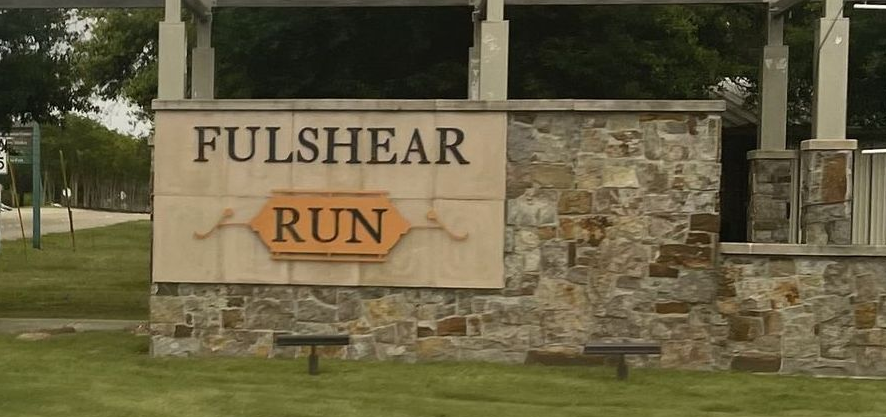
Arborist Services in Fulshear, TX
Tree Risk Assessment and Structural Stability Planning in Fulshear, Texas
Fulshear, TX includes rapidly expanding residential communities, preserved rural landscapes, and large-lot developments that have grown along the western edge of the Greater Houston region. Tree management in Fulshear frequently involves evaluating structural reliability within canopy influenced by open prairie exposure, soil variability, and significant residential construction activity occurring throughout Fort Bend County.
Communities such as Cross Creek Ranch, Fulbrook on Fulshear Creek, and surrounding acreage properties contain a mix of mature native trees and newly planted landscape canopy. Nearby natural corridors including Fulshear Creek and the Brazos River watershed influence local soil conditions and environmental patterns that affect tree establishment and long-term canopy stability.
Many residential properties in Fulshear include broader lot sizes than those found in more densely developed Houston suburbs. Trees planted in these open landscapes often develop wider canopy distribution as they mature. Evaluating structural attachment points and canopy balance becomes important as these trees grow closer to homes, driveways, and outdoor living spaces.
We provide arborist-led services in Fulshear focused on documented structural assessment, preservation-first planning, and long-term tree health stability.
Local Tree and Property Conditions in Fulshear, TX
Fulshear’s landscape reflects the transition from historic ranchland and prairie ecosystems to modern residential development. Many newer neighborhoods were constructed on previously open land where trees were later introduced as part of landscape planning.
Because of this development pattern, canopy across the area often includes a mix of younger planted trees alongside mature native specimens that remained during construction. Species such as live oak, cedar elm, and pecan are commonly found throughout residential properties.
Soil conditions across Fulshear are primarily clay-based and influenced by the Brazos River floodplain system. These soils can retain moisture for extended periods following heavy rainfall, which may affect root-zone oxygen levels and long-term root performance if compaction occurs during construction or landscaping activity.
As neighborhoods such as Cross Creek Ranch and Fulbrook on Fulshear Creek continue to mature, trees planted during early phases of development begin to expand canopy toward homes, sidewalks, and street corridors. Periodic structural evaluation helps ensure canopy growth remains compatible with surrounding infrastructure.
Evaluation Philosophy in Fulshear
Professional arborist evaluation in Fulshear must account for canopy development patterns, root anchorage conditions, soil characteristics, and proximity to residential structures or recreational spaces.
Assessment frequently focuses on:
• Structural stability in developing residential canopy
• Root performance within clay-influenced prairie soils
• Early identification of defect progression in young to mid-maturity trees
• Canopy distribution relative to homes, sidewalks, and outdoor spaces
Trees that appear visually vigorous may still contain developing structural concerns that benefit from early mitigation. Recommendations are based on documented findings and observed site conditions rather than canopy appearance alone.
Priority Services in Fulshear, TX
Tree Risk Assessment:
Risk assessment in Fulshear commonly addresses canopy growth extending over homes, garages, and outdoor living areas typical of master-planned communities. Structural inspection evaluates attachment integrity, branch distribution, and potential defect formation as trees mature. Where mitigation remains feasible, structural pruning or reduction may be recommended based on documented findings.
Plant Health Care and Root-Zone Management:
Root-zone evaluation may be indicated when tree vitality appears influenced by soil compaction, construction disturbance, or moisture variability within clay-based soils.
Plant Health Care programs focus on improving long-term root performance and overall tree resilience when site conditions warrant intervention.
Structural Pruning:
Structural pruning is objective-based and applied when documented imbalance, defect formation, or canopy interference with structures is identified. Broad canopy thinning is not recommended as a routine preventive practice. Recommendations prioritize maintaining structural stability while preserving canopy health.
Removal Planning and Tree Disposition Guidance:
Removal is recommended only when structural reliability cannot be reasonably mitigated or when defect progression creates unacceptable risk relative to nearby structures or property access areas. Planning includes evaluation of property access, surrounding infrastructure, and protection of adjacent landscape elements during removal operations.
Environmental Considerations in Fulshear
Fulshear’s position within the Brazos River watershed introduces environmental factors that influence tree stability and long-term health. Clay-rich soils common to the region can experience seasonal moisture fluctuations that affect root-zone oxygen availability and soil structure.
Open prairie landscapes also expose trees to wind loading that may influence canopy development, particularly for younger trees that were planted during recent residential expansion.
As residential neighborhoods mature across western Fort Bend County, early structural evaluation and preservation-focused management can help maintain canopy stability while supporting long-term tree development.
Preservation-first management remains the priority when mitigation remains feasible.
Recent Work in Fulshear, TX
Case Study #4160: Summer Heat Stress Recovery - Westheimer Lakes North, Fulshear
Property Context:
At a residence in the Westheimer Lakes North area of Fulshear, a back yard row of red tipped photinias experienced widespread stress following an extreme summer period. The homeowner noted reduced performance and visible decline across the entire row rather than isolated individual plants.
Evaluation Findings:
Assessment documented decline indicators consistent with heat and drought related summer stress affecting the photinias. Observable symptoms included reduced vigor, thinning foliage, diminished new growth, and stress related discoloration consistent with prolonged high temperatures and elevated water demand during peak summer conditions.
Intervention:
A condition-based plant health care strategy was implemented to support recovery and improve plant function following extreme summer stress. Management focused on improving root-zone conditions, supporting overall vitality, and reducing additional stress while the photinias reestablished stable growth and foliage density.
Outcome (Observable):
Following intervention, the photinias stabilized and began showing improved performance. Subsequent monitoring documented renewed growth and improved foliage condition consistent with recovery support after extreme summer stress.
Case Study #5269: Support for Improper Irrigation - North Fulshear Estates, Fulshear
Property Context:
At a property in the North Fulshear Estates area of Fulshear, 125 newly planted 3 gallon juniper trees were installed along the left pasture fence line. The planting represented a large installation intended to establish a continuous screen or border.
Evaluation Findings:
Assessment documented stress patterns consistent with improper watering during establishment. Observations supported uneven moisture delivery and insufficient root-zone hydration for newly planted material, resulting in reduced vigor and early establishment challenges across sections of the fence line planting.
Intervention:
A condition-based establishment support plan was implemented to correct watering practices and improve establishment success for the juniper row. Management focused on improving irrigation consistency, aligning watering volume and frequency with establishment needs, and supporting root development while minimizing additional stress during the critical establishment window.
Outcome (Observable):
Following intervention, juniper condition stabilized and establishment trends improved. Subsequent monitoring documented improved vigor and renewed growth response consistent with corrected watering practices and successful establishment support.
Case Study #6711: Property-Wide Herbicide Injury - Rose Dale Subdivision, Fulshear
Property Context:
At a residence in the Rose Dale subdivision area of Fulshear, trees across the entire property began showing decline symptoms consistent with herbicide exposure. The distribution of symptoms indicated a site-wide issue rather than an isolated single-tree problem.
Evaluation Findings:
Assessment documented indicators consistent with herbicide injury affecting multiple trees across the property. Observations supported chemical related foliage damage, reduced vigor, and impaired growth response consistent with exposure. The pattern across the site suggested a shared exposure pathway affecting the broader landscape.
Intervention:
A condition-based recovery strategy was implemented across the property to support tree function and reduce ongoing stress while the trees responded to the injury. Management focused on stabilizing root-zone conditions, supporting recovery capacity, and avoiding additional stressors during the injury response period.
Outcome (Observable):
Following intervention, trees across the property stabilized and began showing improved performance. Subsequent monitoring documented improved foliage condition and renewed growth response consistent with recovery from herbicide related injury.
Communities We Serve in Fulshear
Eric Putnam BCMA Inc. provides arborist-led tree care, Plant Health Care, and professional tree evaluations throughout Fulshear. Our Fulshear service area includes properties in communities such as:
- Churchill Farms
- Cross Creek Ranch
- Cross Creek West
- Fulbrook
- Fulbrook on Fulshear Creek
- Fulshear Lakes
- Pecan Ridge
- Polo Ranch
- Tamarron West
- Vanbrooke
* If your neighborhood is not listed, contact our office to confirm service availability for your property *
Nearby Cities We Serve
Eric Putnam BCMA Inc. also provides professional tree care and arborist services in communities near Fulshear. Select a city below to learn more about our services in that area.

Request an Arborist Evaluation in Fulshear, TX
If you have questions regarding canopy stability, structural defects, or long-term tree health in Fulshear, request an evaluation with a certified arborist. Recommendations are based on documented findings and site-specific conditions.
Book an Appointment
Get a quote
Contact Us
Liriope’s Muse - Expert Tree Care Tips