Liriope’s Muse: Tree Care Tips from a Master Arborist

TRUSTED TREE CARE SERVICES SINCE 1970

Liriope's Muse: The Toxic Relationship Between Distressed Trees and Grass

A common concern amongst our customers is why grass does not grow beneath their trees. Often times they notice their grasses growing in patchy, weak, or just not at all around the trunk and under the canopy of their tree(s). In short, this is due to the tree’s allelopathy, a natural biochemical defense system that helps ward off pests, fight diseases, and suppress competing vegetation. It works by reducing nutrient availability in the soil and by affecting the germination, growth, survival, and reproduction of nearby plants.


Before we dive in, I highly recommend reading my previous post on allelopathy and its relationship to grasses and other plants. It will give you the background needed for the more in-depth discussion to come in this blog:

Lirope’s Muse: The Toxic Relationship Between Trees and Grass


My previous blog discussed the allelopathic relationship between healthy trees and grasses, in this blog we will discuss the relationship between distressed trees and their surrounding grasses and vegetation.


What causes a tree to become distressed?

There are many factors that may cause a tree to become distressed. The most common reasons that we come across in the field are: disease, over-pruning, improper application of mulch(volcano mulching), under-watering, improper planting, mechanical damage (like that caused by construction), root compaction, root damage, pest infestation, and chemical/herbicide damage. All of these stressors trigger the tree into a fight or flight like response, however the tree can’t move or leave the situation, all it can do is defend itself. So, it begins releasing stronger concentrations of allelopathic chemicals in attempt to ward off the pests, compartmentalize a wound, prevent pests from entering a wound, and source more water and nutrients it may be lacking. As a result, these potent biochemicals naturally are exuded into the surrounding soils, poisoning and choking out the existing vegetation, while also making it impossible for new grasses to sprout.
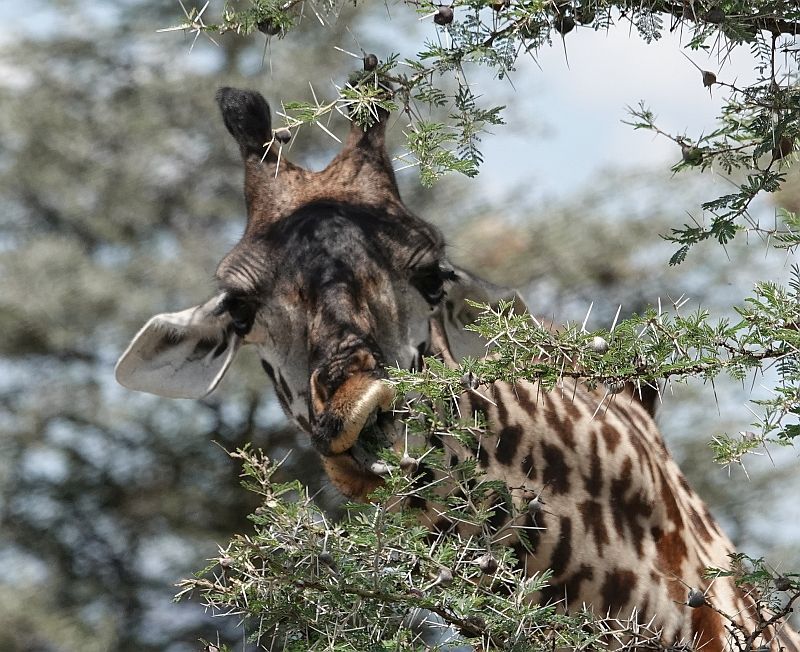
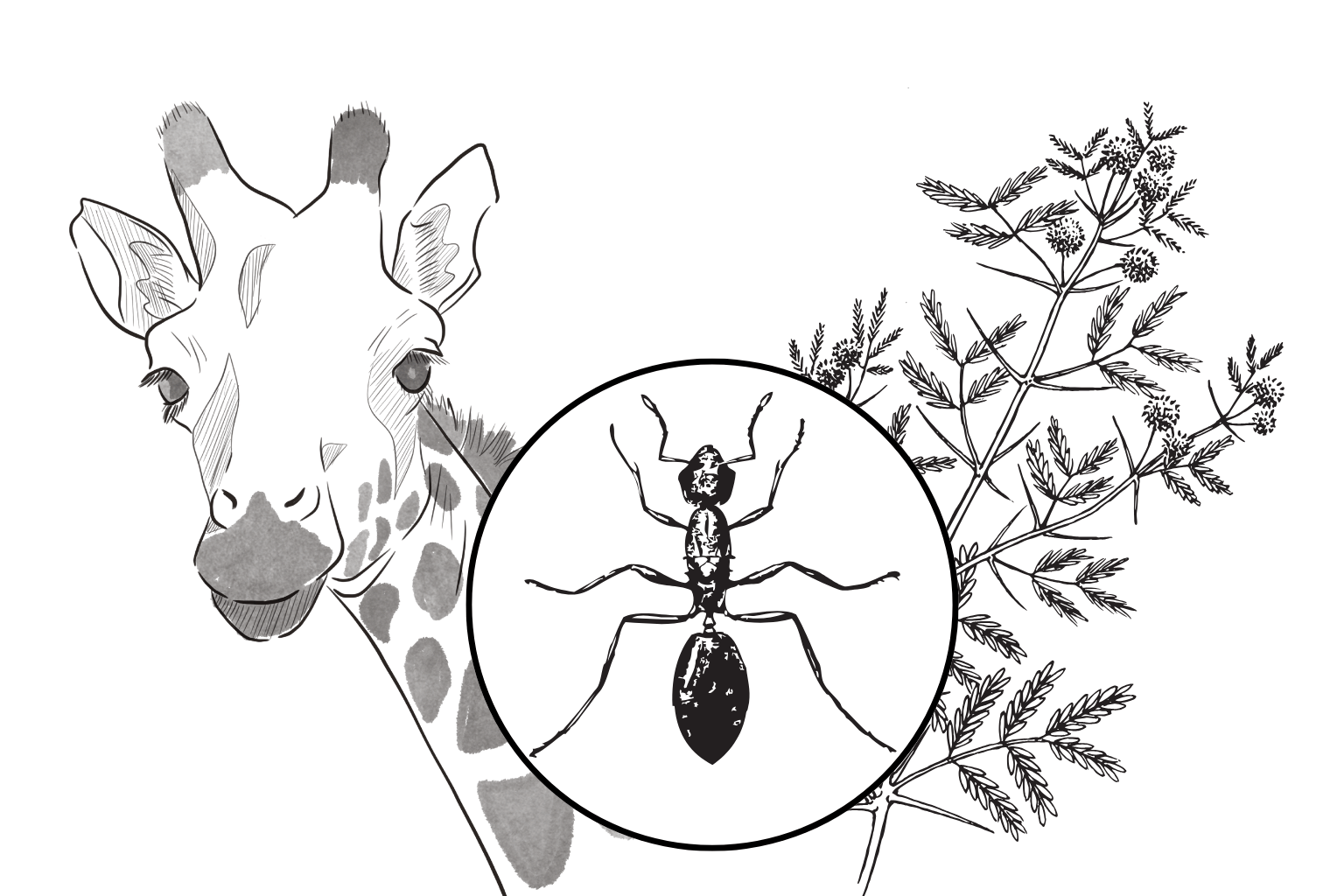
*The image above is from The Wild Nature Institue, it shows a giraffe browsing on a tree and if you look closely at the branches of the tree, you can even see the little ant colonies presents in the bublbs just beneath the thorns*


Giraffe and Acacia Tree Example

Trees aren’t entirely defenseless, and the Acacia tree is a great example of this. They not only can defend themselves chemically, but they have sharp thorns and spines of varying lengths oppositely arranged across the branches and limbs to protects the leaves and blooms from relentless herbivores… like the giraffe.


They also commonly host symbiotic ant colonies that have taken up residence in the swollen bases of the thorns. These ants help provide additional defense against menacing herbivores as they rush out to attack anything disturbing (eating) the leaves or branches of the tree.


Giraffes are known to eat more than 100 different kinds of plants, but the acacia tree is a favorite because its leaves and blooms are rich in protein, water, and calcium, all of which are especially valuable in the harsh savannah environment. It is essentially a superfood, and over generations, giraffes have adapted to be able to eat it in fascinating ways.


According to Sue, a Biology Professor, Giraffes have prehensile lips which can grasp and manipulate branches and leaves, their lips have developed a fine layer of hairs to help protect the lips from thorns. In addition, giraffes have exceptionally long tongues, up to 20 inches in some individuals, and the tongue is very muscular and flexible, which helps the animal pull leaves away from the branch. The inside of the giraffe’s mouth and its tongue are covered with hardened, bumpy skin, which protects them from being punctured by thorns and the attack of ants. Further, giraffe saliva is thick and sticky, which also helps coat the mouth and the digestive tract from accidental puncture by thorns.


So, it seems that giraffes have successfully countered the acacia tree’s spiny anti-herbivory defenses through their fascinating anatomical adaptations. What else is the tree left to do to defend itself? Use its allelochemicals, of course!

When an Acacia tree senses itself being eaten on, it launches into action and begins releasing biochemicals in the form of tannins into the leaves. The tannins are polyphenolic molecules that bind to proteins and make them unavailable for digestion, and their astringent, bitter taste makes the plant material unpalatable to the giraffes.


Some Acacia trees even release Hydrogen Cyanide compounds (Yes, like the poison!), not enough to kill the giraffe, but definitely enough to give them a stomachache and make them think twice about eating their leaves.


The longer the giraffes feed, the more allelopathic chemicals are released and after just 10 minutes the whole tree becomes unpalatable and the giraffe is forced to move on. But the Acacia’s have become intelligent, they know if they become toxic they’d just move to their neighboring tree and begin feeding there so they’ve learned to communicate. Yes, communicate you read that right! Plants that have been browsed, or eaten on, release a molecule called ethylene (the same molecule that is released by ripening fruit). Ethylene is carried through the air to neighboring plants and triggers the release of tannins in the plants it reaches. Chemically signaling to them that a group of giraffes is on the prowl and may come feed on them! In just a matter of minutes, all of the acacia trees for miles can become inedible to the giraffes… and they’ve picked up on this! They’ve found a way to outsmart the trees, giraffes will travel upwind once a tree has warded them off because they’ve “caught wind” on the trees’ strategy! It won’t be long, however, until the trees outsmart the giraffes yet again.
Something I found interesting upon my research is that the more giraffes feed on the tree, the more that the tree produces nectar for the ants that it hosts, so that they can continue to grow in numbers and protect the tree. But here’s the twist, if the giraffes go extinct or aren’t around to feed on the acacia trees, the ant numbers would begin to dwindle, more aggressive ants and beetles would be able to move in and take up residence in the tree and instead of being symbiotic they’d be predatorial and acacia trees all around would begin to suffer and possibly even die off! So essentially, if giraffes didn’t eat on acacia trees they’d probably go extinct or severely dwindle in numbers!

The Toxic Relationship Between Distressed Trees and Grass

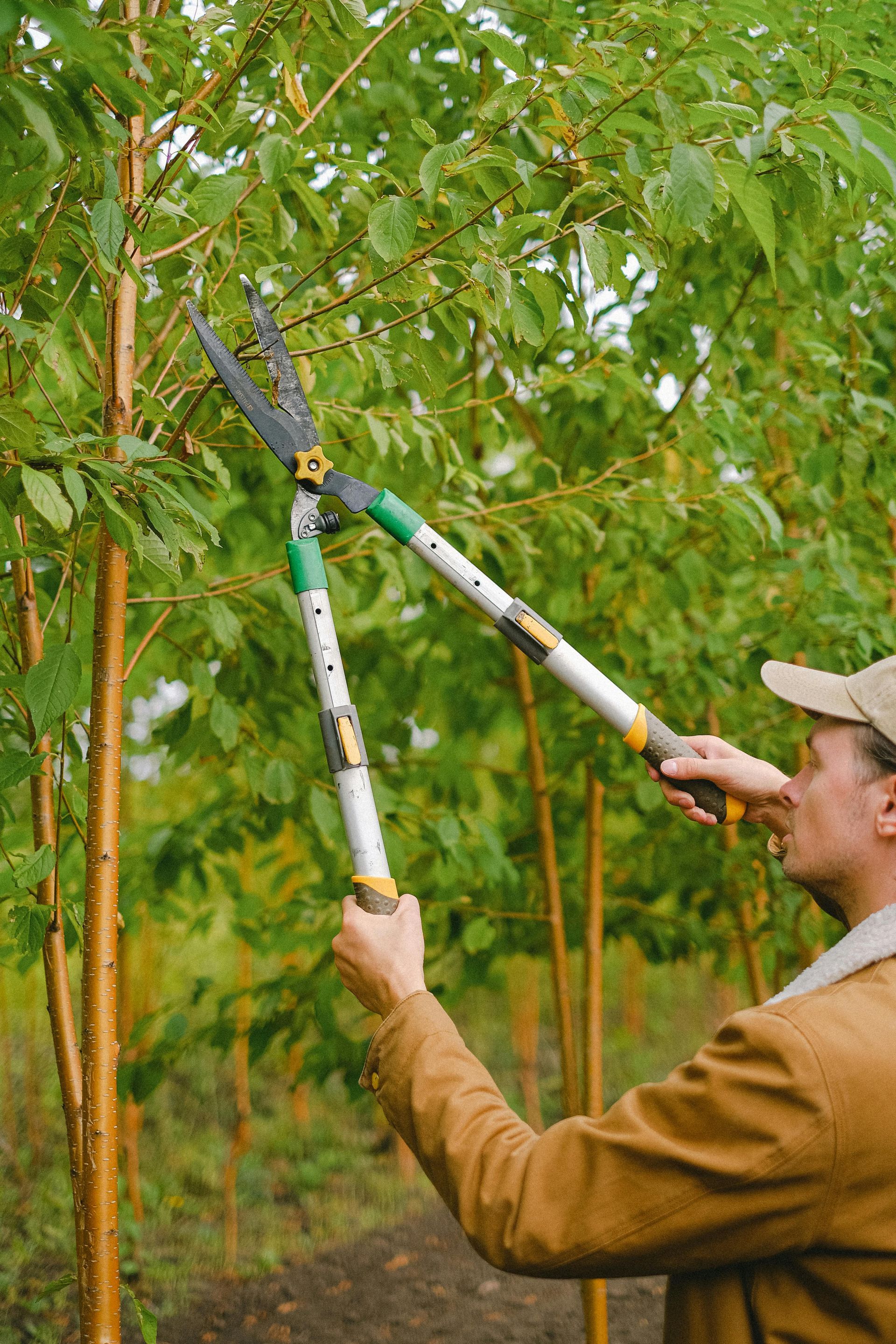
The most common stressor that we come across affecting trees is over-pruning and regular or unnecessary pruning. Just like in the example of the Acacia trees above, their allelopathic response is a result of a pruning-like event. They lose their leaves and branches in large numbers due to the giraffes browsing, and in response, they release their tannins.


The response is very similar to when trees in urban landscapes are pruned on, the only difference is that they can’t defend themselves chemically against humans and ward them off with a bitter taste. Still, they release concentrated amounts of allelochemicals (the exact type varies by tree species)that travel throughout the tree and are released into the surrounding soils by their roots. This concentration of biochemecals in the soil make for a very inhospitable environment for other vegetation, especially grasses, to grow and germinate. Thus, leaving patchy, thin, or no grasses at all beneath the tree right around the trees CRZ (just under the canopy)


So, if you notice that you can't seem to keep grass under your trees, despite seeding and proper irrigation… Its’s time to rethink your pruning schedule because there is a chance you are stressing out your trees !

Liriope’s Muse - Expert Tree Care Tips
By Eric Putnam April 10, 2026
This blog covers 3 real accounts given by our arborists, detailing real tree murders they’ve witnessed. Reader discretion advised.
earn the 3 types of decay, how they affect strength, and when a tre
By Eric Putnam April 3, 2026
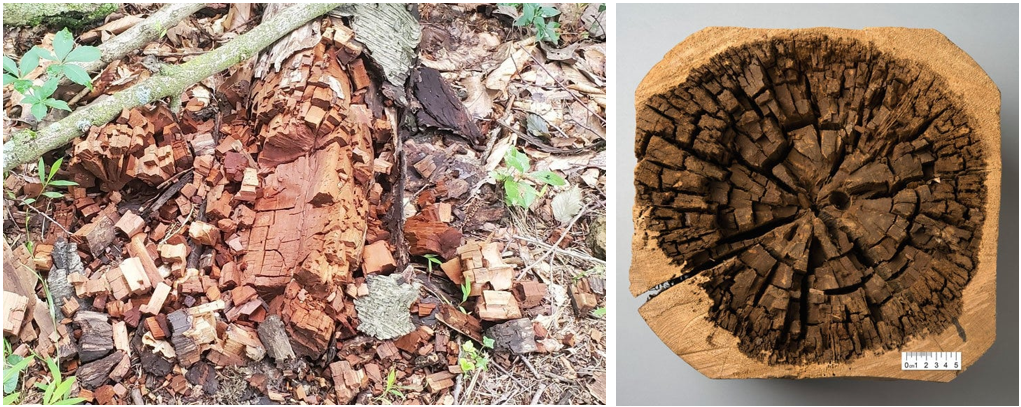
Brown rot, white rot, and soft rot explained by a Certified Arborist. In this Blog, learn how decay affects trees, risk, targets, and when removal may be necessary.
By Eric Putnam March 27, 2026
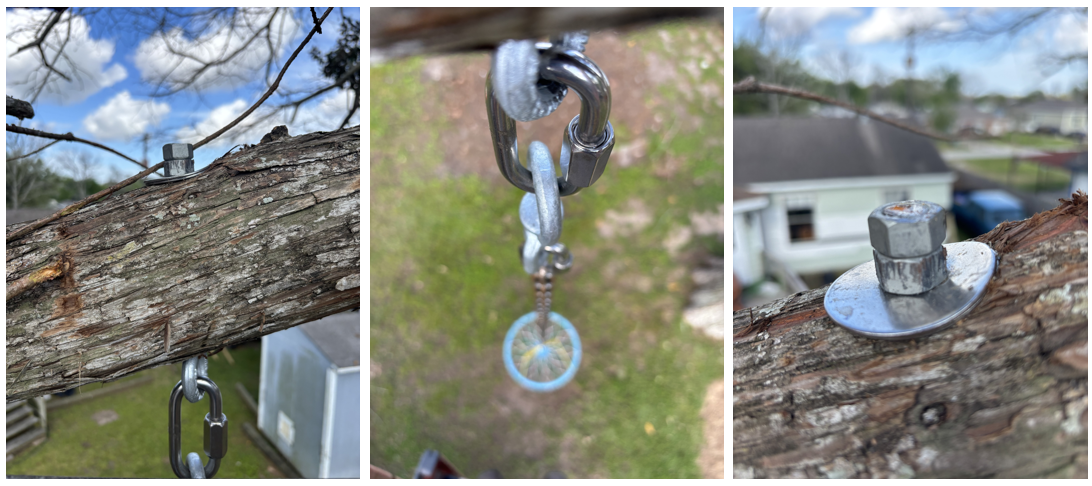
A practical guide to choosing the right backyard tree for a swing and installing it in a way that protects long-term tree health.
By Eric Putnam March 13, 2026
What does it really take to become an expert? Explore the 10,000 hour rule and how decades of experience shape the skill and judgment of a professional arborist.
By Eric Putnam March 6, 2026
Learn how to select quality nursery trees and plant them the right way to improve survival, long-term growth, and lasting value in your landscape.
By Eric Putnam February 27, 2026
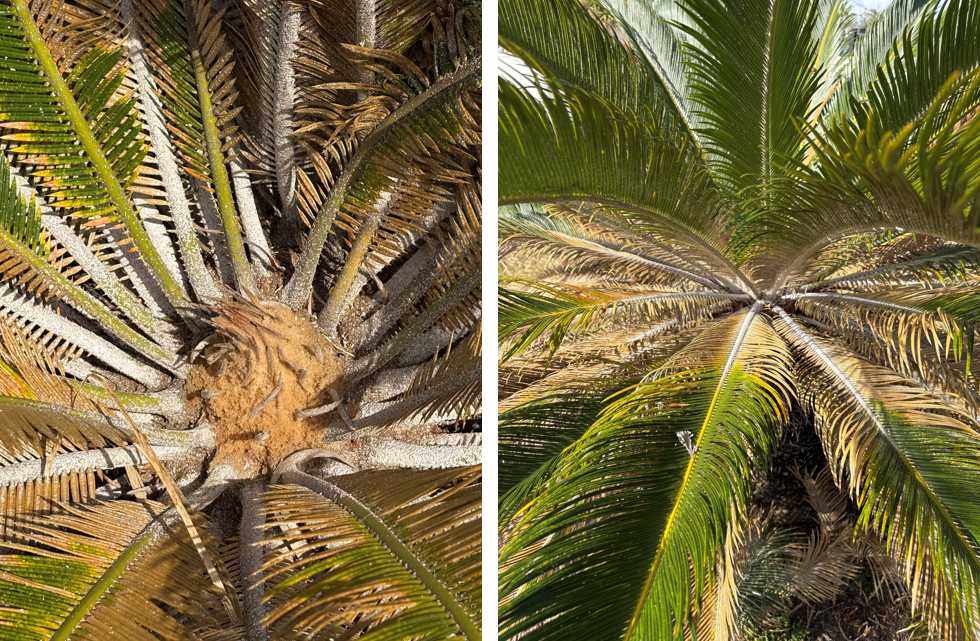
Blog 3 in our Arborist Observation series. In this first blog, we delve into our experience with Asian Cycad Scale in our Greater Houston Service area.
By Eric Putnam February 20, 2026
Ever wonder what a day for an arborist looks like at Eric Putnam BCMA, Inc.? Well wonder no further, I’ll break it down for you!
https://ask-nature.sfo3.digitaloceanspaces.com/wp-content/uploads/2020/05/31130348/european_mistleto
By Eric Putnam February 13, 2026
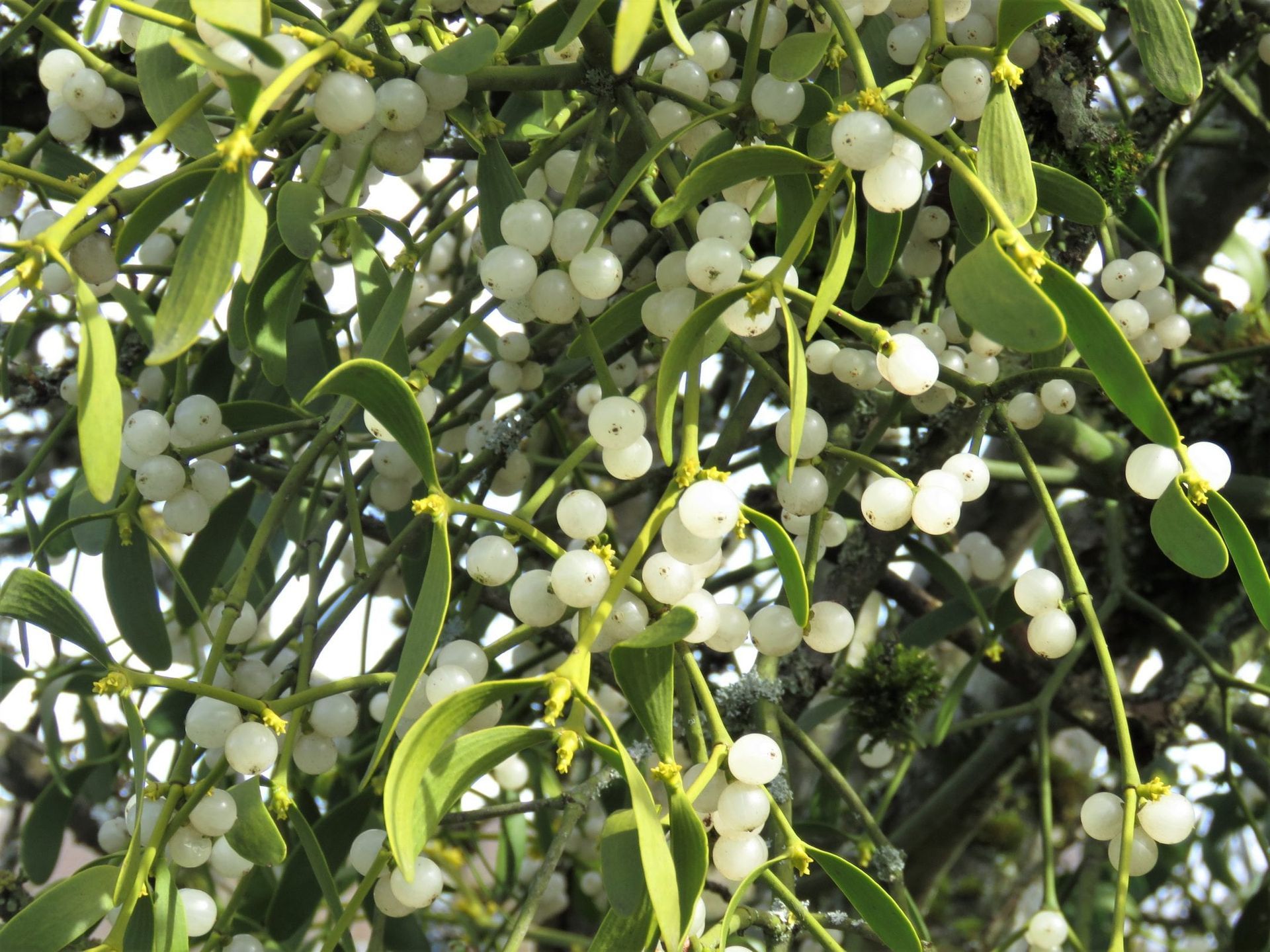
Recently, our arborists have noticed an uprise in mistletoe cases across the greater Houston area. Read this blog to learn more about these romanticized vampires.
By Eric Putnam January 30, 2026
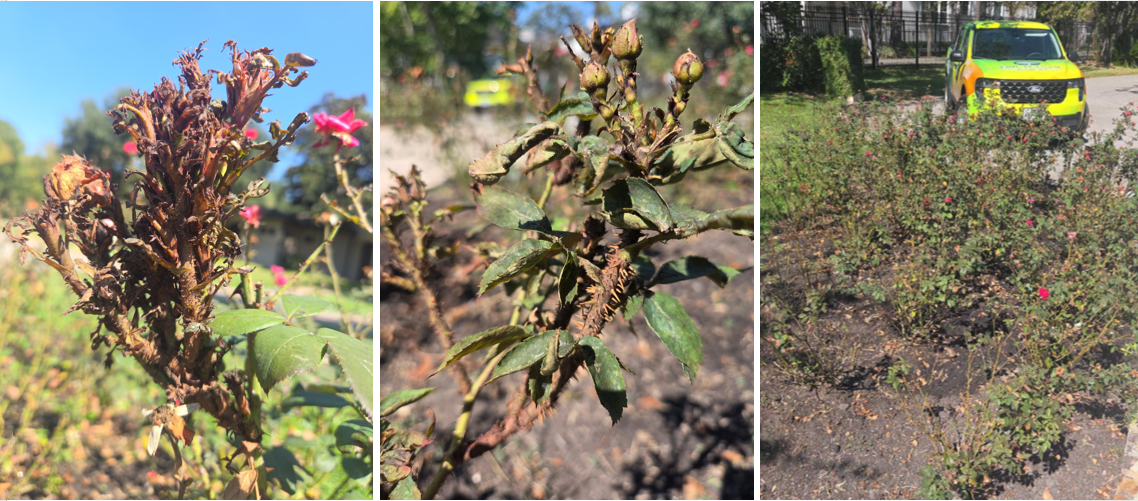
In this blog I detail our journey to having possibly found a working treatment to the devastating Rose Rosette Virus(RRV) .
January 16, 2026
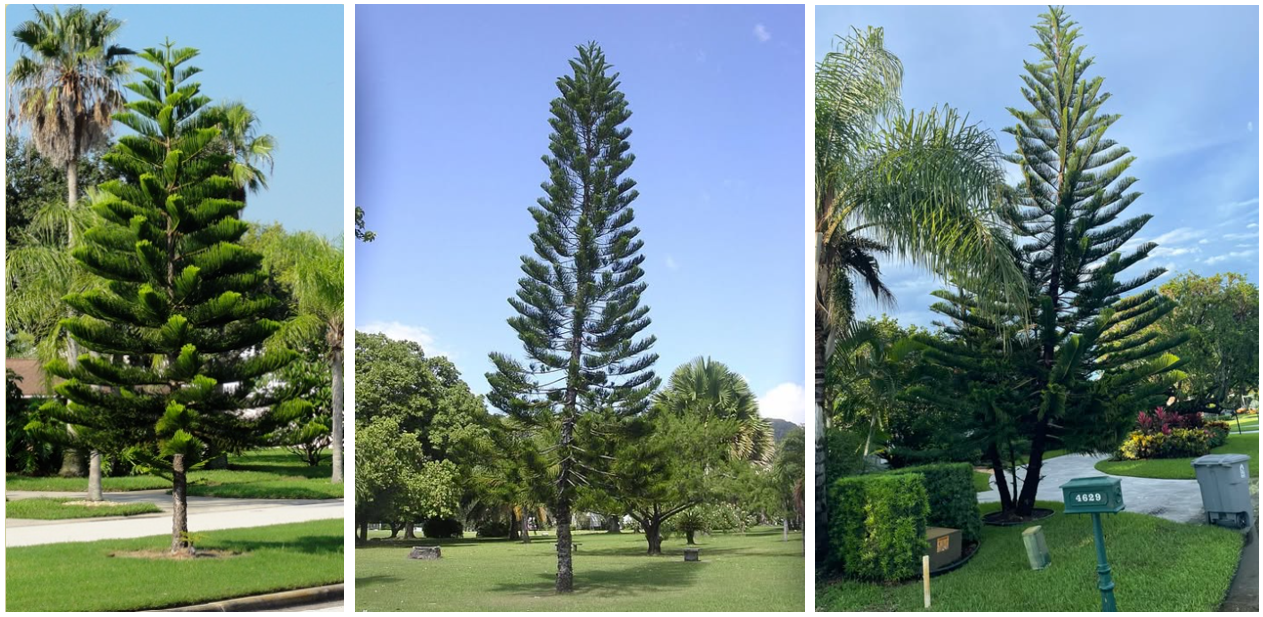
While visiting family in Odessa, Florida, I was captivated by the towering Norfolk Pine - an unexpected gem in the tropical landscape. Learn more!
By Eric Putnam January 9, 2026
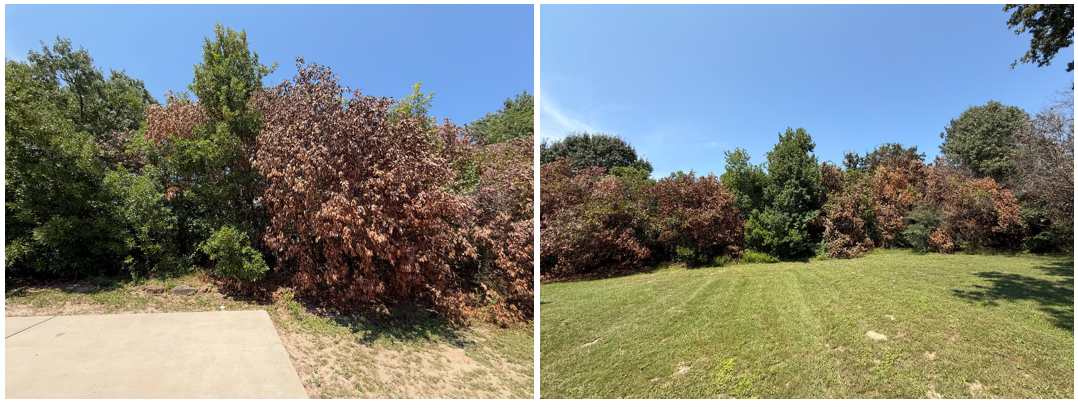
Blog 2 in our Arborist Observation series. In this blog, we cover the deadly Laurel Wilt.
By Eric Putnam January 2, 2026
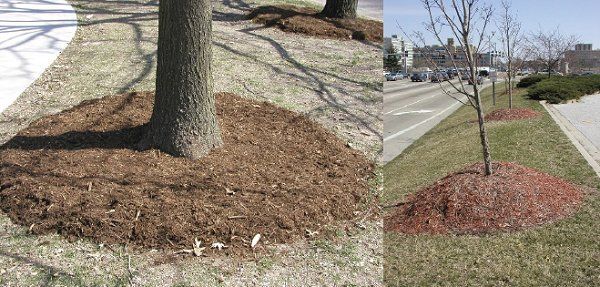
Mulching can be a valuable asset to trees if applied properly, in this blog you'll out to if your trees are properly mulched. And how to fix them if not!
By Eric Putnam December 26, 2025
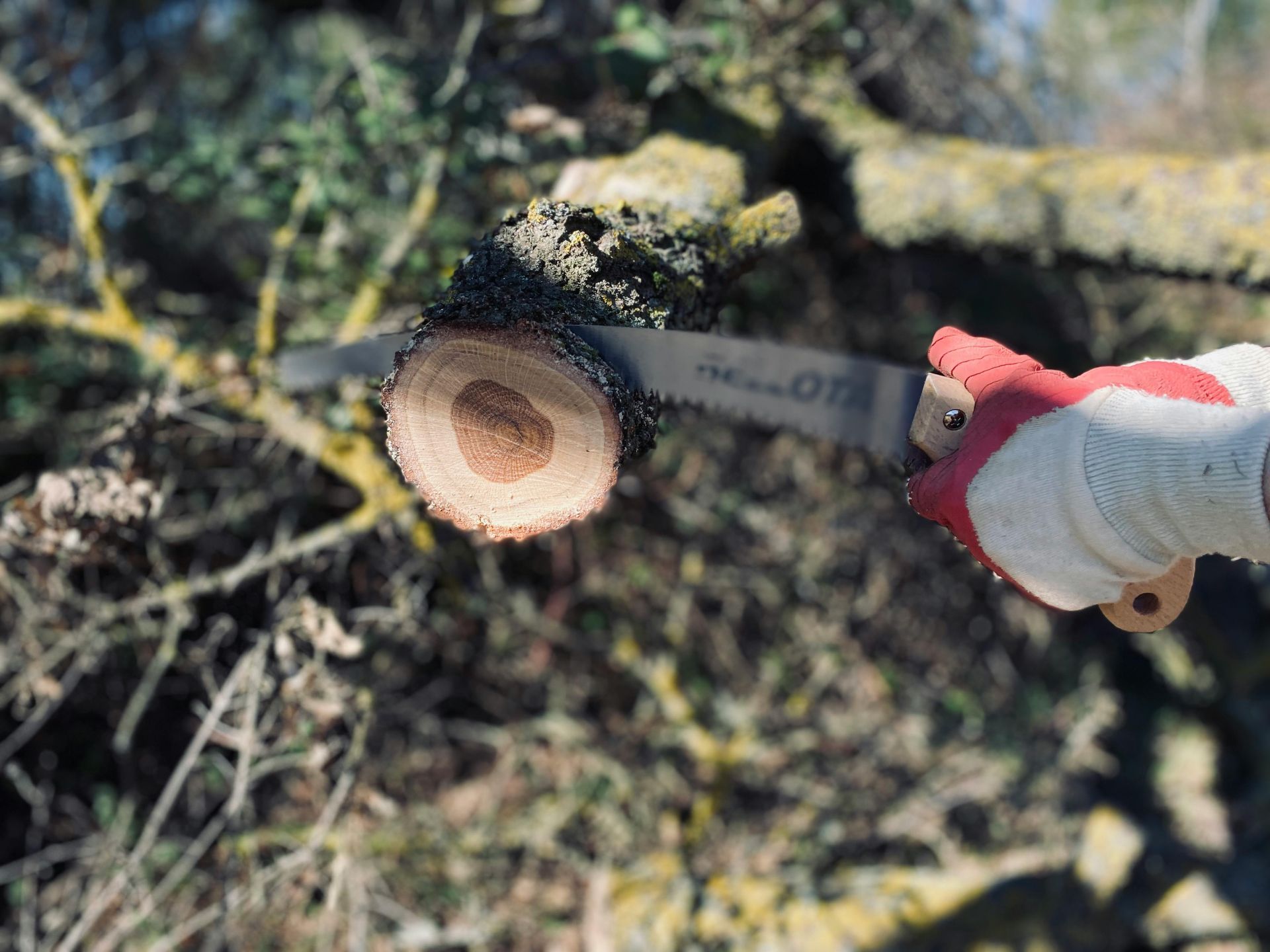
In this blog, we break down the real signs your tree may need pruning, without falling into the common traps of “storm pruning” or routine canopy thinning.
By Eric Putnam December 19, 2025
Nothing beats the look of a beautifully lit tree during the holidays. But every year, we see the same issue: trees that end up with bark wounds, broken limbs, girdled branches, or stressed foliage because decorations were installed too tightly.
By Eric Putnam December 12, 2025
Winter is a critical time for root development, and the right amount of moisture can make a big difference in your trees’ health, read this blog to learn more!
By Eric Putnam December 5, 2025
In this blog we will explore 5 reasons why you should replace the traditional Christmas tree, or that dusty one made of plastic in your attic, for one that can grow with your family, build tradition, and enrich your lives!
By Eric Putnam December 1, 2025
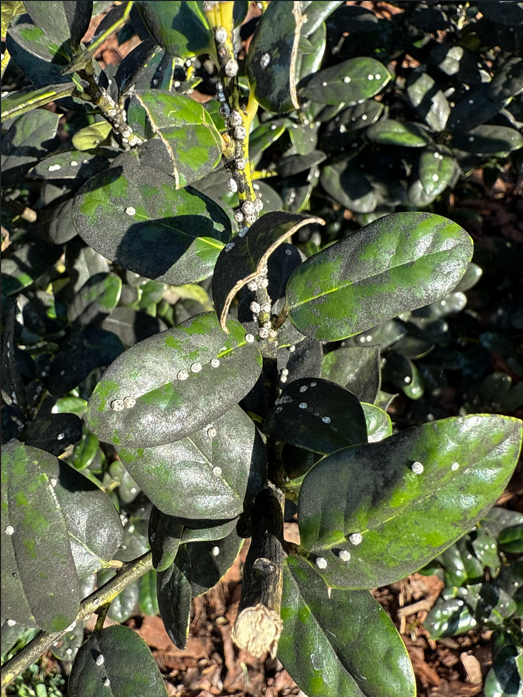
If you’ve ever noticed a dark, powdery coating on the leaves of your trees, shrubs, or even the plants and patio furniture beneath them, you’re likely seeing black sooty mold. Check ut this blog to learn more !
By Eric Putnam November 14, 2025
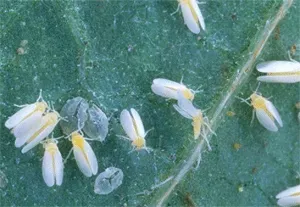
This is the first blog in our newest series called Arborist Observations. In this first blog, we delve into our experience with whiteflies in our Greater Houston Service area.
By Eric Putnam November 10, 2025
Thanksgiving isn’t just about the food on our plates or the people at our table, it’s also a perfect time to appreciate the nature around us and the native wildlife it supports! In this blog I delve into a few Houston area native plants and why each deserves a place in our gratitude list!
By Eric Putnam October 31, 2025
TRICK! Read this blog to find out why!
By Eric Putnam October 21, 2025
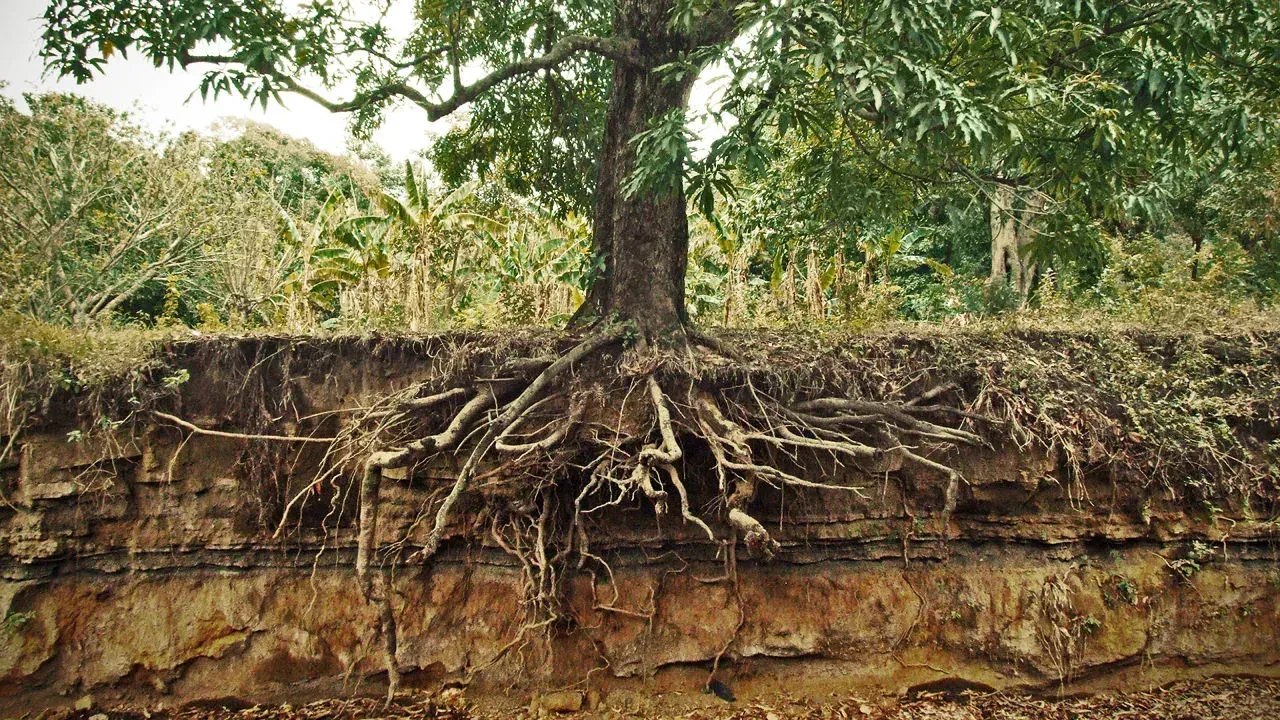
The roots are arguably one of the most important part of the tree, read this blog to learn how you can protect them during construction!
By Eric Putnam October 3, 2025
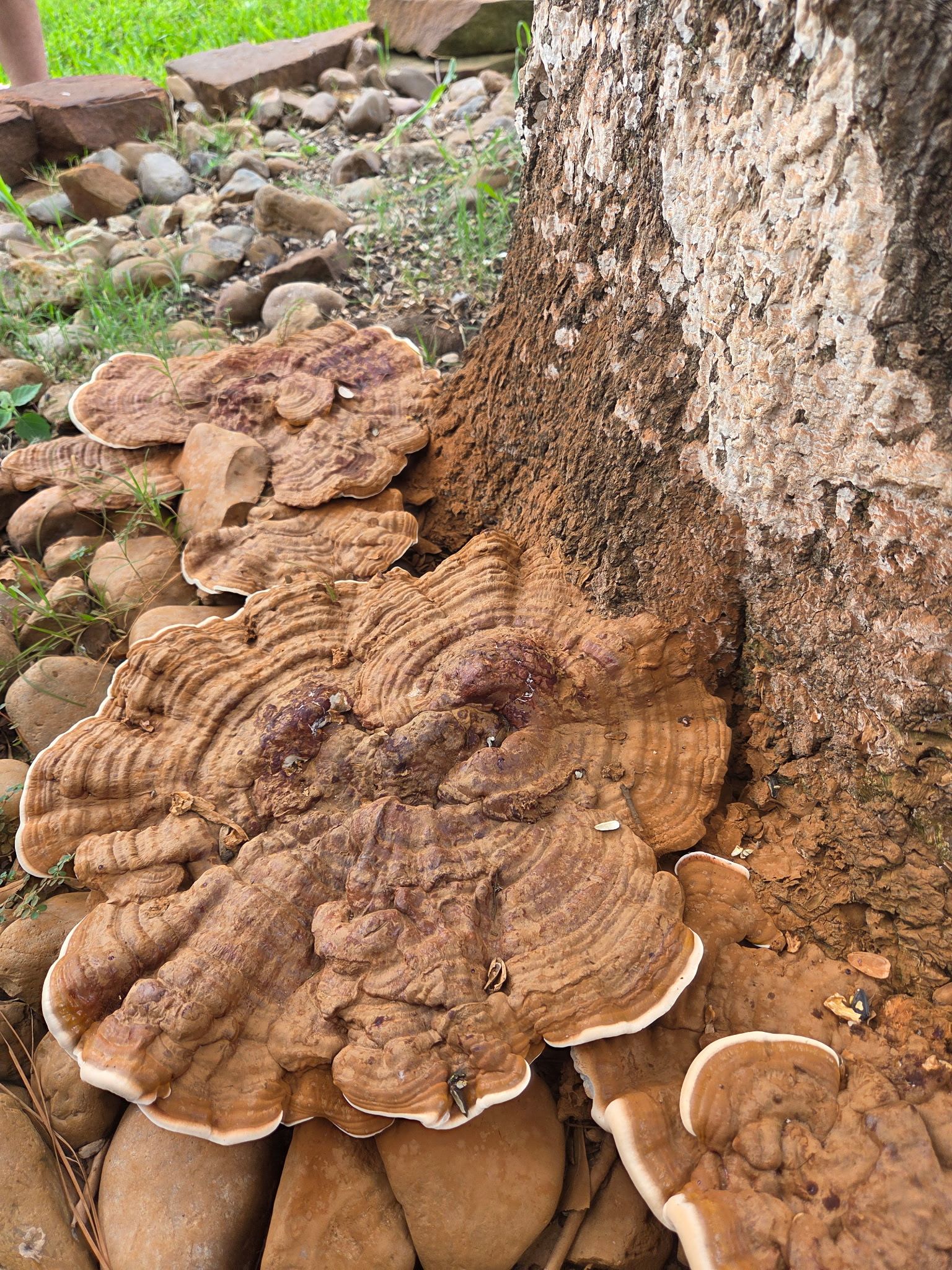
In this blog, we delve into the silent killer that lurks at the base of your trees... Ganeoderma.
By Eric Putnam September 19, 2025
As the seasons shift and the long days of summer give way to crisp fall mornings, one of nature’s most stunning displays begins: the changing of the leaves. Read this blog to learn more!
By Eric Putnam September 12, 2025
This September 28th, communities across the country will celebrate Plant a Tree Day, check out this blog to learn more about how you can too!
By Eric Putnam September 5, 2025
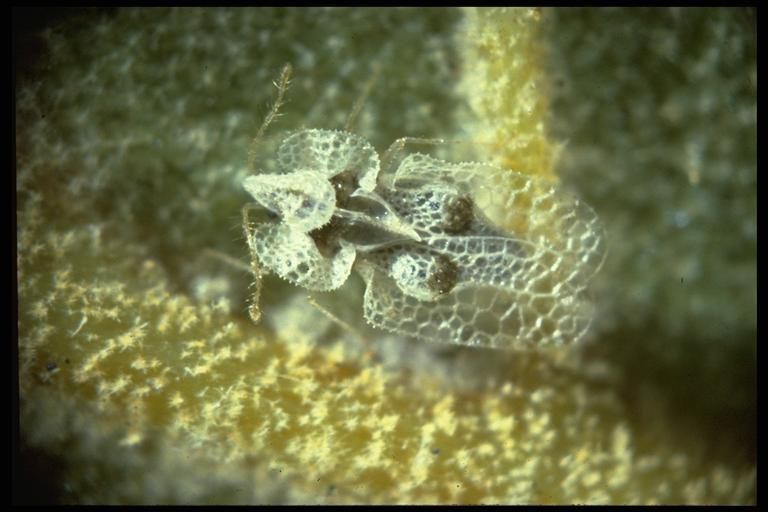
Recently, in the greater-houston area, there has been a large lace bug presence draining the life from sycamores and elms. Check out this blog to learn more !
August 22, 2025
In this blog, I delve into the roots of this blog and the origin of it's name !
By Eric Putnam August 11, 2025
Our promise is simple: we only recommend what’s truly necessary and right for the long-term health and safety of your trees, nothing more.
By Eric Putnam August 1, 2025
HOA rules may be killing your trees & costing you thousands. Learn the dangers & how we can defend your trees.
By Eric Putnam July 28, 2025
Not all invasive trees are villains—some offer ecological benefits. A balanced, site-specific approach is key to responsible tree management in Texas. read this blog to learn more!
By Eric Putnam July 18, 2025
We are not only tree experts, we are passionate advocates for responsible tree care — helping you keep your trees and your coverage.
By Eric Putnam July 4, 2025
Have you ever wondered what kind of tree matches your personality? Whether you're strong and steady or free-spirited and bold, this lighthearted quiz will help you discover the tree that reflects your unique traits—with roots that run deeper than you might expect.
By Eric Putnam June 30, 2025
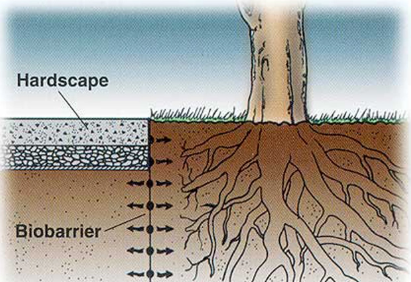
While often used to prevent tree roots from interfering with sidewalks and foundations, they can cause significant damage. This blog explores how root barriers disrupt natural root systems, lead to structural instability, and interfere with soil and water dynamics.
By Eric Putnam June 20, 2025
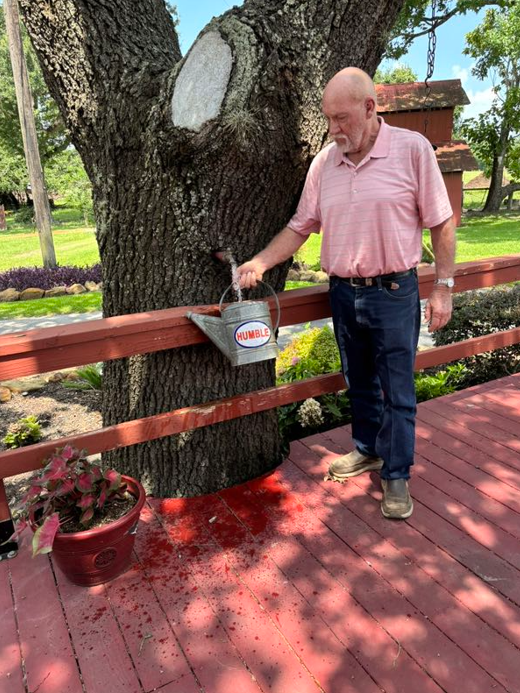
What started as an extra tree from a Sears sale turned into one of Humble’s most famous oaks. With a working faucet built right through its trunk, this live oak has become a local landmark — and its story is as wild as the tree is resilient.
By Eric Putnam May 20, 2025
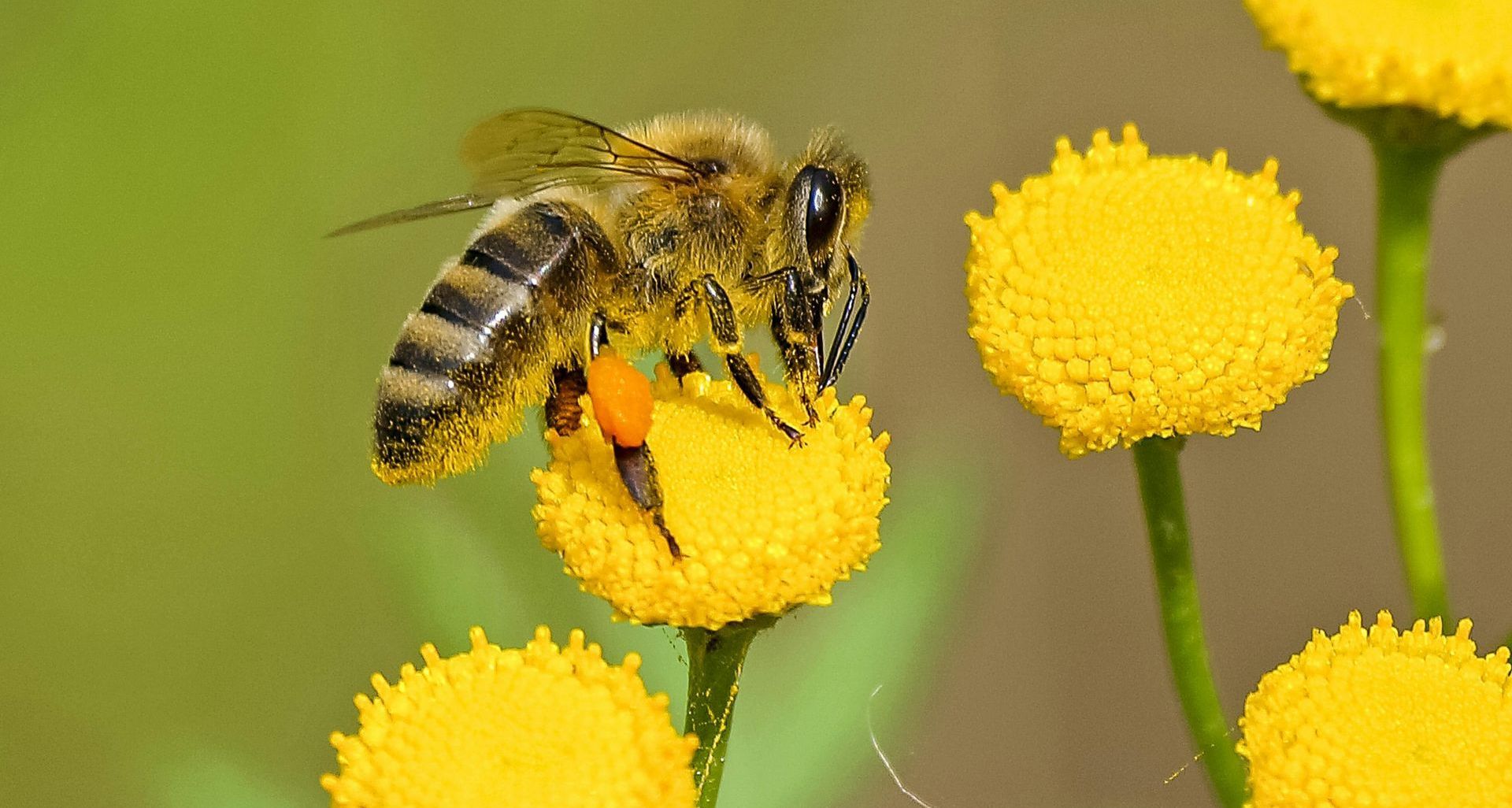
Today is World Bee Day, and while most people think of flowers when they think of bees, we want to take a moment to talk about how important trees are in keeping our pollinators healthy and thriving.
By Eric Putnam May 9, 2025
We’ve seen a noticeable uptick in pine tree deaths across the Greater Houston area, and one culprit is showing up again and again: the Black Turpentine Beetle. Learn more about these pests in this weeks blog!
By Eric Putnam May 2, 2025
Lethal bronzing is a deadly palm disease spread by the American palm cixiid. This blog explains how to identify symptoms, understand the insect’s life cycle, and use insecticides, grass management, and preventive care to protect your palms.
By Eric Putnam April 25, 2025
Trees can suffer from health problems. If left unchecked, minor issues can turn into major risks. In this blog we delve into the importance of tree risk assesment.
By Eric Putnam April 18, 2025
At Eric Putnam BCMA, Inc., we’re proud to introduce our newest suite of services: Tree Cataloging, Surveying, and Inspection—designed to support residential, commercial, and municipal clients in making informed, confident decisions about their trees.
By Eric Putnam April 11, 2025
PHC isn’t just about treating pests or diseases. It’s about looking at the entire system a tree is living in—soil conditions, site history, climate compatibility, moisture levels, pruning practices, and even nearby construction activity. As a Board-Certified Master Arborist, I’ve found that educating property owners about PHC is one of the most important steps in creating healthy landscapes and resilient trees.
By Eric Putnam April 4, 2025
Borer infestations are a serious threat to trees, often going unnoticed until significant damage is done. From sawdust to sap, your tree could be sending distress signals. Read our latest blog to find out what to look for and when to call a certified arborist!
By Eric Putnam March 21, 2025
Urban trees can face harsher conditions than forest trees. This can result in shorter lifespans and greater maintenance needs for urban trees. Understanding these differences is key to keeping urban trees healthy and thriving. Learn more in this blog!
By Eric Putnam March 14, 2025
Discover the incredible survival secrets of the resurrection fern, a plant that can lose 97% of its water and spring back to life after rain. Learn how this remarkable epiphyte thrives on trees, its role in ecosystems, and what it teaches us about resilience in nature.
By Eric Putnam March 7, 2025
With its sprawling canopy, storm resistance, and unique botanical traits, the live oak stands apart—even sparking debate about its classification. Is it a white oak or a red oak? Let’s explore the fascinating history, biology, and significance of this iconic tree.
By Eric Putnam February 28, 2025
At Eric Putnam BCMA, Inc., we take a sustainable approach to tree care as eco arborists, ensuring that our work benefits both trees and the ecosystems they support. But what exactly does an eco arborist do, and how do they differ from traditional arborists? Let’s explore!
By Eric Putnam February 21, 2025
Give your trees the boost they need with our organic, all-natural biostimulant service. Contact us today to schedule your bi-annual application and watch your landscape thrive!
By Eric Putnam February 12, 2025
While most people associate Valentine’s Day with roses and chocolates, it’s also the perfect time to think ahead to one of the most breathtaking seasons—fall! If you want your Houston landscape to glow with vibrant reds, oranges, and yellows come autumn, now is the time to start planning and planting.
By Eric Putnam January 24, 2025
Winter can be harsh on your trees. Freezing temperatures, snow, and ice can stress even the hardiest species, leaving them vulnerable to damage as the seasons change. As a board-certified master arborist, I’ve seen how proper post-winter care can make all the difference in a tree’s health and longevity. Here are some essential tips to help your trees recover and thrive after a winter freeze: