


Liriope’s Muse: Tree Care Tips from a Master Arborist
TRUSTED TREE CARE SERVICES SINCE 1970
Liriope's Muse: Post-Winter Freeze Tree Care Tips From A Master Arborist
Winter can be harsh on your trees. Freezing temperatures, snow, and ice can stress even the hardiest species, leaving them vulnerable to damage as the seasons change. As a board-certified master arborist, I’ve seen how proper post-winter care can make all the difference in a tree’s health and longevity. Here are some essential tips to help your trees recover and thrive after a winter freeze:
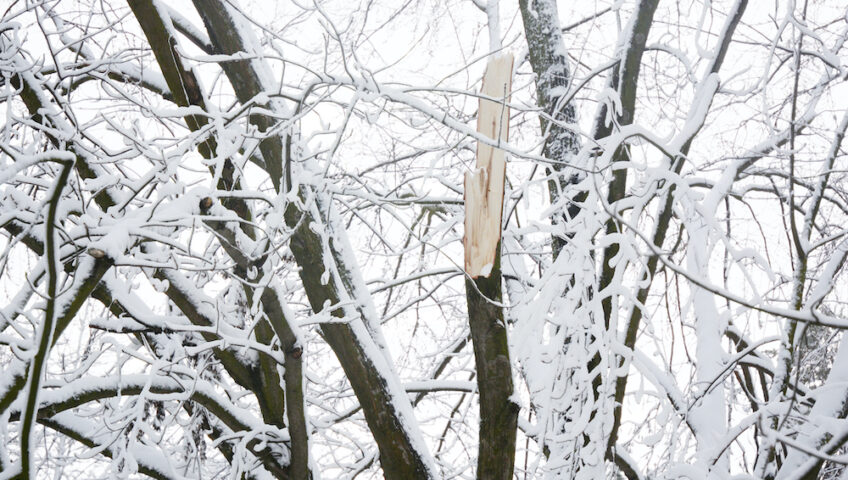
1. Inspect for Damage
Start with a close inspection of your trees. Look for:
- Broken, cracked, or hanging branches that may have been damaged by heavy snow or ice.
- Bark splits or frost cracks, which can occur due to extreme temperature fluctuations.
- Signs of root damage, such as heaving soil or leaning trees, especially if the ground experienced repeated freeze-thaw cycles.
Address any significant damage promptly, as weakened branches or roots can pose safety risks.
2. Prune Damaged Branches
Pruning is crucial to remove broken, damaged, or dead limbs to reduce further stress on the tree and promote healthy growth. But be cautious not to over-prune your tree as this can further weaken it, leave all of the shaping and large-scale pruning to certified arborists.
3. Check Soil and Roots
Ground freezes andsnow can compact soil, reducing aeration and water absorption. Gently aerate the soil around your trees if needed and check for any signs of exposed roots or frost heave. Apply a fresh layer of mulch to protect and insulate the root zone, read this blog to learn how to properly apply mulch to your tree.
4. Watering Matters
Don’t assume your trees are hydrated just because of winter snow. Once the ground thaws, check moisture levels and water deeply if the soil is dry. Trees can become stressed if they’re not adequately hydrated heading into the growing season.
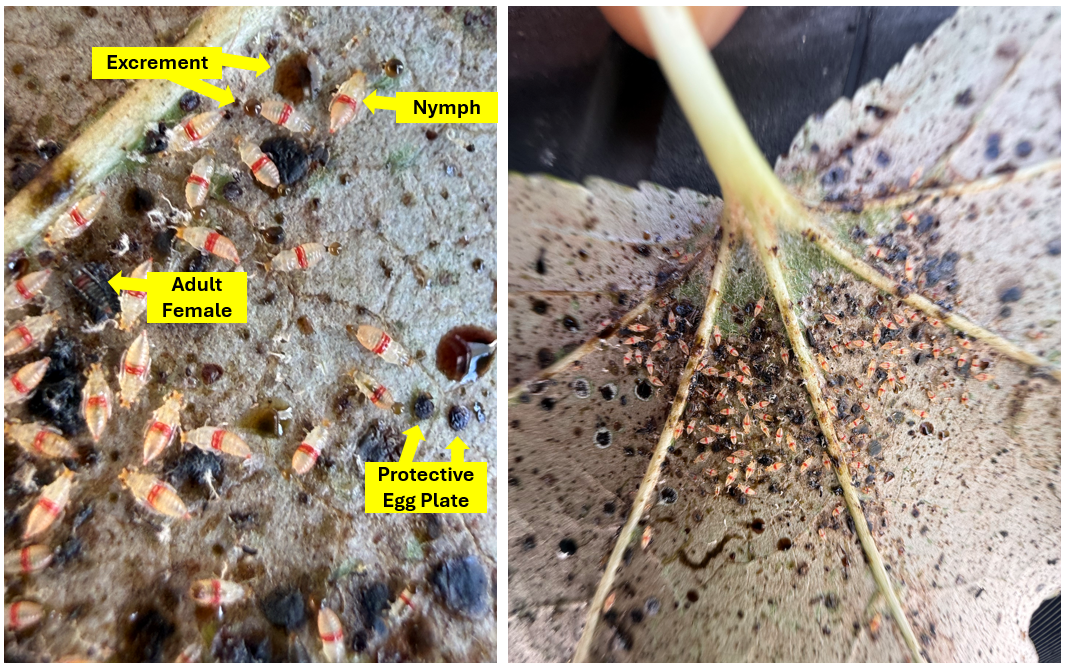
5. Assess For Disease And Pests
winter can weaken trees, making them more vulnerable to diseases and pests. Look for early warning signs such as discolored foliage, cankers, or boring holes. Addressing these issues early can save your tree from long-term damage
6. Be Patient
Some trees take time to show signs of stress or recovery after a harsh winter. Keep an eye on them as they come out of dormancy. If you’re unsure about their condition, it is always a good idea to consult with a certified arborist for a professional assessment.
Why Professional Care Matters
Caring for trees after a winter freeze requires expertise and attention to detail. A professional arborist can help you:
- Identify hidden damage that could lead to long-term issues.
- Prune and treat trees safely and effectively.
- Develop a tailored care plan to promote your trees’ health and resilience.
Your trees are valuable assets to your property and the environment. By taking the time to care for them after winter’s challenges, you’re investing in their future and ensuring they remain strong and beautiful for years to come.
If you have questions or need assistance with post-winter tree care, reach out to Eric Putnam BCMA, Inc.
We’re here to help your trees thrive every season. 🌳
Liriope’s Muse - Expert Tree Care Tips