

Arborist Services in Baytown, TX
Tree Risk Assessment and Structural Stability Planning in Baytown, Texas
Baytown, TX includes industrial corridors, established residential neighborhoods, and waterfront communities positioned along Galveston Bay and the Houston Ship Channel. Tree management in Baytown frequently involves evaluating structural reliability within canopy exposed to coastal wind patterns, soil variability, and environmental pressures associated with long-term industrial development in the region.
Neighborhoods such as Lakewood, Country Club Cove, and areas surrounding Goose Creek contain mature residential canopy where trees extend over homes, driveways, and outdoor living areas. Nearby landmarks including Baytown Nature Center and the waterfront along Galveston Bay influence local environmental conditions that affect tree growth, canopy structure, and long-term stability.
Many residential areas in Baytown were developed during periods of rapid growth associated with nearby petrochemical industries. As canopy matures across these communities, structural integrity and root-zone performance must be evaluated relative to surrounding infrastructure and evolving property use.
We provide arborist-led services in Baytown focused on documented structural assessment, preservation-first planning, and long-term tree health stability.
Local Tree and Property Conditions in Baytown, TX
Baytown’s landscape reflects a mix of residential development, industrial corridors, and coastal environmental influences. Trees growing in residential neighborhoods often experience conditions different from those found in inland suburban communities.
Proximity to Galveston Bay introduces coastal wind exposure and periodic storm activity that may influence canopy development over time. Trees growing in open residential settings frequently develop wide canopy distribution, which increases the importance of evaluating structural attachment points as they mature.
Soil conditions across Baytown can vary depending on proximity to coastal waterways and previous land use. Clay-based soils are common throughout the region and may influence root-zone drainage and oxygen availability during extended rainfall periods.
Established neighborhoods such as Lakewood and areas near Goose Creek often contain mature canopy that has developed over several decades. As these trees continue to grow, periodic evaluation helps ensure that structural balance remains appropriate relative to homes, fencing, and nearby infrastructure.
Evaluation Philosophy in Baytown
Professional arborist evaluation in Baytown must account for canopy structure, root anchorage performance, environmental exposure, and proximity to surrounding structures or property access points.
Assessment frequently focuses on:
• Structural stability within mature residential canopy
• Root performance in clay-influenced coastal plain soils
• Early identification of structural defects or attachment weaknesses
• Canopy distribution relative to homes, driveways, and utility access areas
Visible canopy density or foliage color alone does not confirm structural reliability. Recommendations are based on documented observations and site-specific conditions.
Priority Services in Baytown, TX
Tree Risk Assessment:
Risk assessment in Baytown commonly addresses canopy extending over homes, garages, and outdoor living spaces typical of established residential neighborhoods. Structural inspection evaluates attachment strength, defect formation, and weight distribution across large limbs.
Where mitigation remains feasible, corrective pruning or structural reduction may be recommended based on documented findings.
Plant Health Care and Root-Zone Support:
Root-zone evaluation may be indicated when tree vitality appears affected by soil compaction, drainage variability, or environmental stress associated with coastal exposure.
Plant Health Care programs focus on supporting long-term root performance when conditions indicate that intervention may be beneficial.
Structural Pruning:
Structural pruning is applied when documented defects, imbalance, or canopy interference with structures is identified. Broad canopy thinning is not recommended as a generalized preventive practice.
Recommendations prioritize maintaining structural stability while preserving canopy health.
Removal Planning and Tree Disposition Guidance:
Removal is recommended only when structural reliability cannot be reasonably mitigated or when defect progression creates unacceptable risk relative to surrounding targets.
Planning includes evaluation of property access, surrounding infrastructure, and protection of adjacent landscape elements during removal operations.
Environmental Considerations in Baytown
Baytown’s location along Galveston Bay exposes trees to environmental factors distinct from inland areas of the Houston region. Coastal wind patterns and periodic tropical storm activity can introduce loading forces that influence canopy development and structural integrity. Salt exposure from coastal air may also affect some tree species over time, particularly those planted outside their typical tolerance range. Additionally, the industrial history of the region means soil conditions in certain areas may vary depending on previous land use.
These environmental factors make periodic structural evaluation valuable for maintaining canopy stability as trees mature across residential landscapes. Preservation-first management remains the priority when mitigation remains feasible.
Recent Work in Baytown, TX
Case Study #3312: Wood-Boring Insect Treatment - Quail Hollow, Baytown
Property Context:
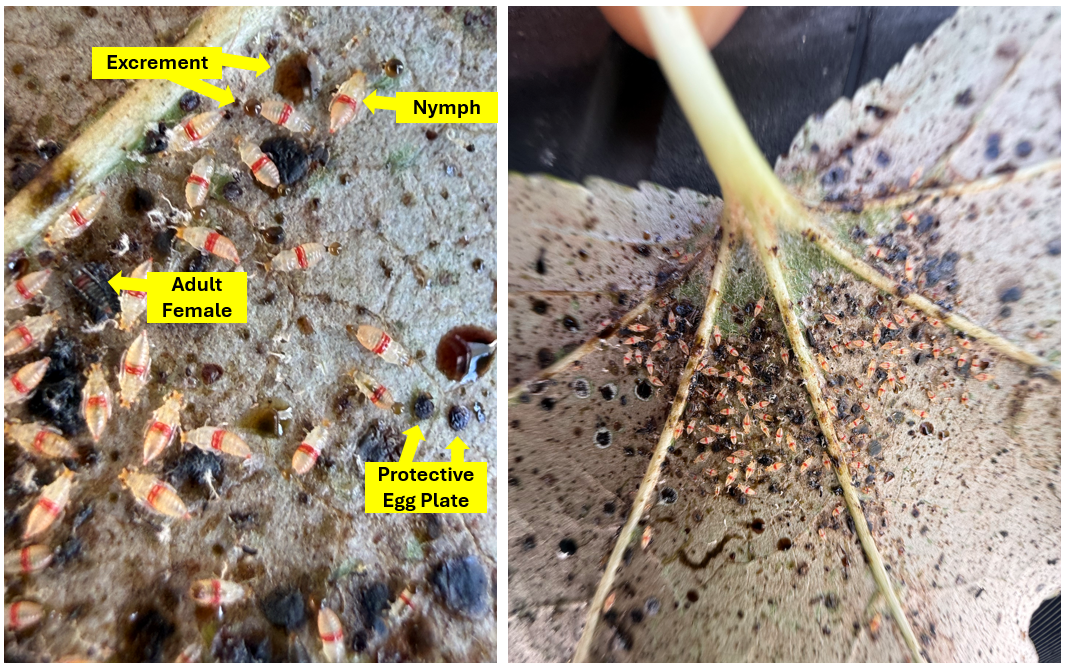
At a residence in the Quail Hollow area of Baytown, trees throughout the entire property were showing reduced performance and decline indicators consistent with insect driven stress. The distribution of symptoms across the site indicated a property-wide concern rather than an isolated single-tree problem.
Evaluation Findings:
Assessment documented indicators consistent with wood-boring insect activity affecting multiple trees across the property. Findings supported active borer pressure contributing to reduced vigor and elevated decline risk throughout the site’s tree population.
Intervention:
A targeted wood-boring insect treatment program was performed for all trees across the property. Management focused on suppressing borer activity, protecting functional vascular tissue, and supporting recovery through condition-based plant health care.
Outcome (Observable):
Following treatment, canopy condition stabilized and overall tree performance improved across the property. Subsequent monitoring documented reduced indicators consistent with ongoing borer activity and improved vigor consistent with successful suppression and recovery support.
Case Study #6239: Biostimulant Treatment With Insect Protection Package - McNair, Baytown
Property Context:
At a residence in the McNair area of Baytown, the property required proactive support to improve overall plant performance and reduce seasonal insect pressure. The goal was to strengthen plant function while also providing protective coverage against common pest related stress.
Evaluation Findings:
Assessment documented reduced vigor indicators and site conditions supporting a need for broad support of root-zone function and overall physiological resilience. The evaluation also identified elevated risk for insect related stress during the active season, supporting the use of a combined support and protection approach rather than reactive spot treatments.
Intervention:
A biostimulant treatment was performed along with an insect protection package to support root-zone biology, improve functional capacity, and reduce pest pressure. Management focused on strengthening overall vitality while providing protective coverage intended to limit insect driven stress and help maintain stable canopy performance.
Outcome (Observable):
Following treatment, plants demonstrated improved vigor and stabilization of overall performance. Subsequent monitoring documented improved growth response and reduced stress indicators consistent with strengthened function and effective insect protection coverage.
Case Study #1222: Pre Construction Biostimulant - Springfield Estates, Baytown
Property Context:
At a residence in the Springfield Estates area of Baytown, trees and landscape vegetation were identified as being at risk due to planned construction activity involving future terrain changes and anticipated root pruning. The property required proactive support to improve recovery potential before disturbance occurred.
Evaluation Findings:
Assessment determined that upcoming grade changes and root pruning are likely to impose significant stress by reducing functional root mass, altering soil moisture behavior, and disrupting normal root-zone biology. The evaluation concluded that without pre construction support, the combined impacts increase the likelihood of decline, reduced vigor, and delayed stress expression after construction is completed.
Intervention:
A pre construction biostimulant treatment was recommended for implementation prior to terrain modification and root pruning. The intent of the treatment is to support root-zone biology and overall tree function ahead of disturbance, improving physiological resilience and increasing the probability of successful recovery after construction impacts occur.
Outcome (Observable):
This case study documents a pre construction recommendation. Observable outcomes are expected to be evaluated during and after construction through scheduled monitoring, with the goal of supporting post disturbance recovery and reducing the likelihood of long term decline.
Communities We Serve in Baytown
Eric Putnam BCMA Inc. provides arborist-led tree care, Plant Health Care, and professional tree evaluations throughout Baytown. Our Baytown service area includes properties in communities such as:
- Bay River Colony
- Cedar Bayou Estates
- Country Club Cove
- Goose Creek
- Lakewood
- McNair
- Meadow Lake
- Quail Hollow
- Springfield Estates
- Whispering Pines
* If your neighborhood is not listed, contact our office to confirm service availability for your property *
Nearby Cities We Serve
Eric Putnam BCMA, Inc. also provides professional tree care and arborist services in communities near Baytown. Select a city below to learn more about our services in that area.

Request an Arborist Evaluation in Baytown, TX
If you have questions regarding canopy stability, structural defects, or long-term tree health in Baytown, request an evaluation with a certified arborist. Recommendations are based on documented findings and site-specific conditions.
Book an Appointment
Get a quote
Contact Us
Liriope’s Muse - Expert Tree Care Tips